Area Real Estate News & Market Trends

You’ll find our blog to be a wealth of information, covering everything from local market statistics and home values to community happenings. That’s because we care about the community and want to help you find your place in it. Please reach out if you have any questions at all. We’d love to talk with you!

Dec. 6, 2021

Home Is Where the Heart Is More than Ever This Year

Home Is Where the Heart Is More than Ever This Year | MyKCM

There’s no denying the financial benefits of homeownership, but what’s often overlooked are the feelings of gratitude, security, pride, and comfort we get from owning a home. This year, those emotions are stronger than ever. We’ve lived through a time that has truly changed our needs and who we are, and as a result, homeownership has a whole new meaning for many of us.

According to the 2021 State of the American Homeowner report by Unison:

“Last year, staying home became a necessity and that caused many homeowners to have renewed gratitude for the roof over their head.”

As a nation, we continue to work through the challenges of a pandemic that’s pushed us all to new limits. Over the past year and a half, we’ve spent more time than ever at home: working, eating, schooling, exercising, and more. The world around us changed almost overnight, and our homes were redefined. Our needs shifted, and our shelters became a place that protected us on a whole new level. The same study from Unison notes:

  • 91% of homeowners say they feel secure, stable, or successful owning a home
  • 64% of American homeowners say living through a pandemic has made their home more important to them than ever
  • 83% of homeowners say their home has kept them safe during the COVID-19 pandemic

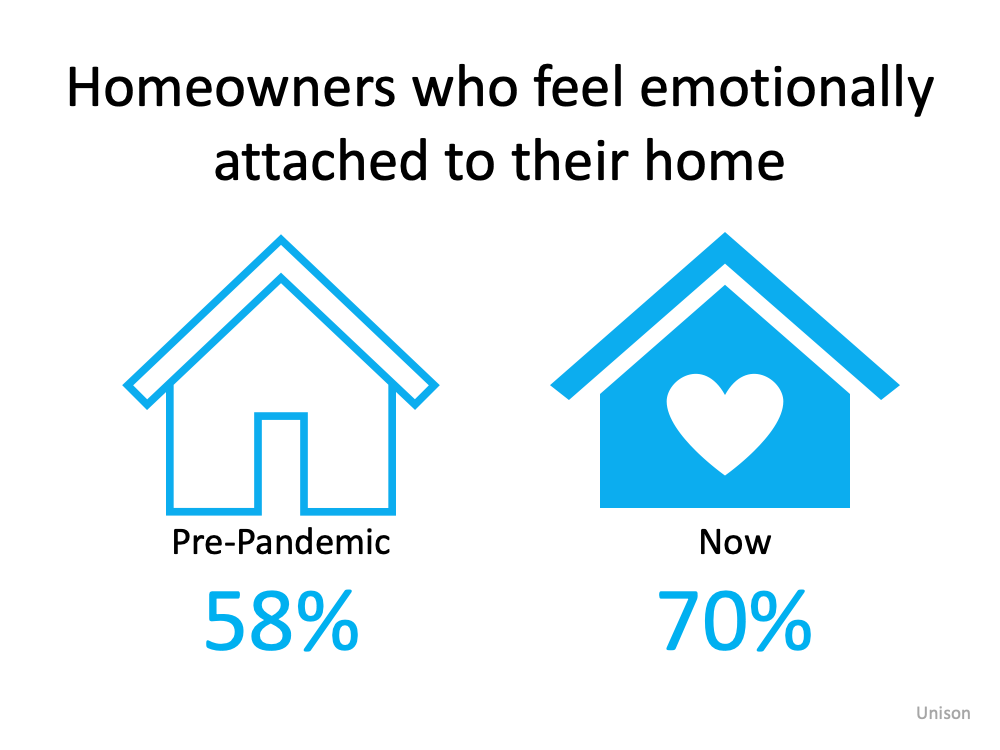
It’s no surprise this study also reveals that homeowners are now more emotionally attached to their homes as well:Home Is Where the Heart Is More than Ever This Year | MyKCMAs we’ve learned throughout this health crisis, homeownership can provide the safety and security we crave in a time of uncertainty. That sense of connection and emotional stability genuinely reaches beyond just the financial aspect of owning a home. As JD Esajian, President of CT Homes, LLCsays:
“Aside from the financial factors, there are several social benefits of homeownership and stable housing to consider. It has long been thought that buying a home contributes to a sense of accomplishment. Still, most individuals fail to realize that homeownership can benefit your mental health and the community around you.”

Whether you’re thinking of buying your first home, moving up to your dream home, or downsizing to something that better fits your changing lifestyle, take a moment to reflect on what Mark Fleming, Chief Economist at First American, notes:

“Buying a home is not just a financial decision. It's also a lifestyle decision.”

Bottom Line

If you’re considering buying a home, it’s not entirely about the dollars and cents. Don’t forget to weigh the non-financial benefits that may truly change your life when you need them most.

Posted in Market News
Dec. 3, 2021

Considering a Utility Sink?


Having access to a sink when you need one is a great convenience. Most people are used to having a sink in their kitchen and bathrooms, but there are other locations where a sink can come in handy as well. Installing a utility sink in these areas can make tasks such as laundry and cleaning easier, while also keeping you from having to dump things like cleaning wastewater into your kitchen or bathroom sink.


Installing a utility sink in places like your laundry room, basement, or mudroom can be a great idea, especially if there aren’t any other sinks convenient to those locations. Depending on how your home is laid out, though, it might also be a significant undertaking. If you’re thinking about adding a utility sink, here are some things to keep in mind.


What Is a Utility Sink?

If you aren’t familiar with the term “utility sink”, you are still likely familiar with these sinks and the role that they fill. Most of the time, utility sinks are standalone deep basin sinks in areas such as a laundry room or basement. Some utility sinks may have a hose attachment or threaded faucet that a standard hose can be attached to, allowing them to fill buckets or other containers with water even if the container isn’t placed into the sink itself.

Most of the time, the purpose of a utility sink is cleaning-related. Utility sinks in the laundry room may be used to wash off dirt, paint, and other materials before putting items in the washing machine. Utility sinks may also be used to fill mop buckets and other containers with soapy water for cleaning floors or even washing your car. Many such sinks also contain large drains to make it easy to empty these containers once you’re done (though it’s worth remembering that some chemicals and waste products shouldn’t go down the drain, whether it’s in a utility sink or not).

Posted in Home Staging Tips
Dec. 2, 2021

Reasons To Hire a Real Estate Professional [INFOGRAPHIC]

Reasons To Hire a Real Estate Professional [INFOGRAPHIC] | MyKCM

Some Highlights

  • Whether you’re buying or selling, there are many perks that come from working with a real estate advisor.
  • Real estate professionals are experts at navigating all aspects of the buying and selling process, including negotiating on your behalf. We can also explain today’s market and break down what it means for you.
  • Don’t go at it alone. Let’s connect today so you have advice and an expert to count on each step of the way.
Posted in Buying Tips
Dec. 1, 2021

Two Graphs That Show Why You Shouldn’t Be Upset About 3% Mortgage Rates

Two Graphs That Show Why You Shouldn’t Be Upset About 3% Mortgage Rates | MyKCM

With the average 30-year fixed mortgage rate from Freddie Mac climbing above 3%, rising rates are one of the topics dominating the discussion in the housing market today. And since experts' project rates will rise further in the coming months, that conversation isn’t going away any time soon.

But as a homebuyer, what do rates above 3% really mean?

Today’s Average Mortgage Rate Still Presents Buyers with a Great Opportunity

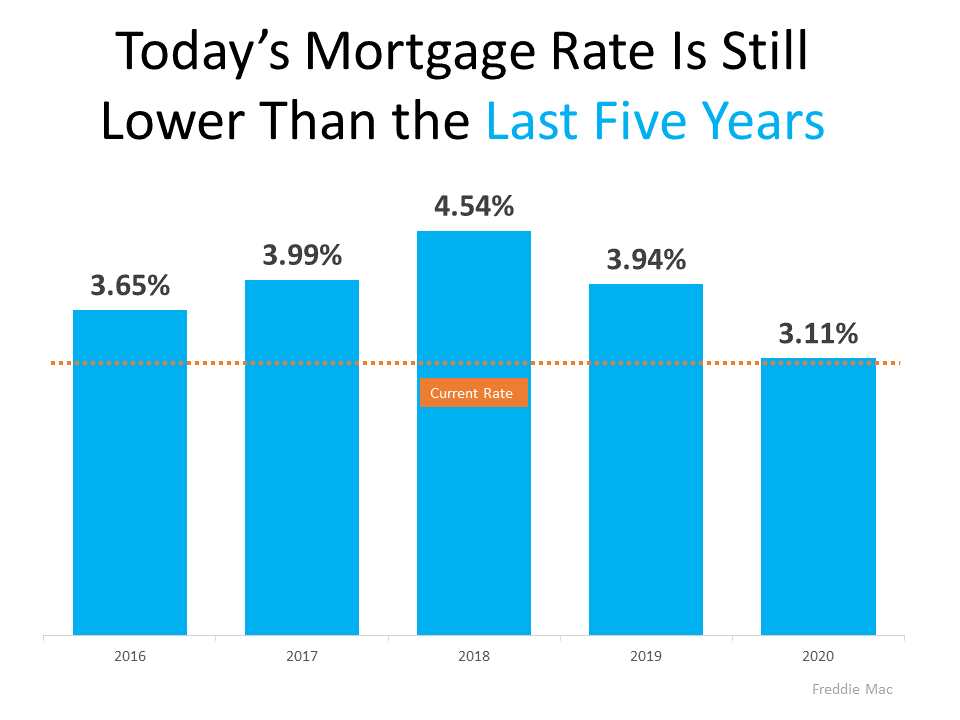
Buyers don’t want mortgage rates to rise, as any upward movement increases your monthly mortgage payment. But it’s important to put today’s average mortgage rate into perspective. The graph below shows today’s rate in comparison to average rates over the last five years:Two Graphs That Show Why You Shouldn’t Be Upset About 3% Mortgage Rates | MyKCMAs the graph shows, even though today’s rate is above 3%, it’s still incredibly competitive.

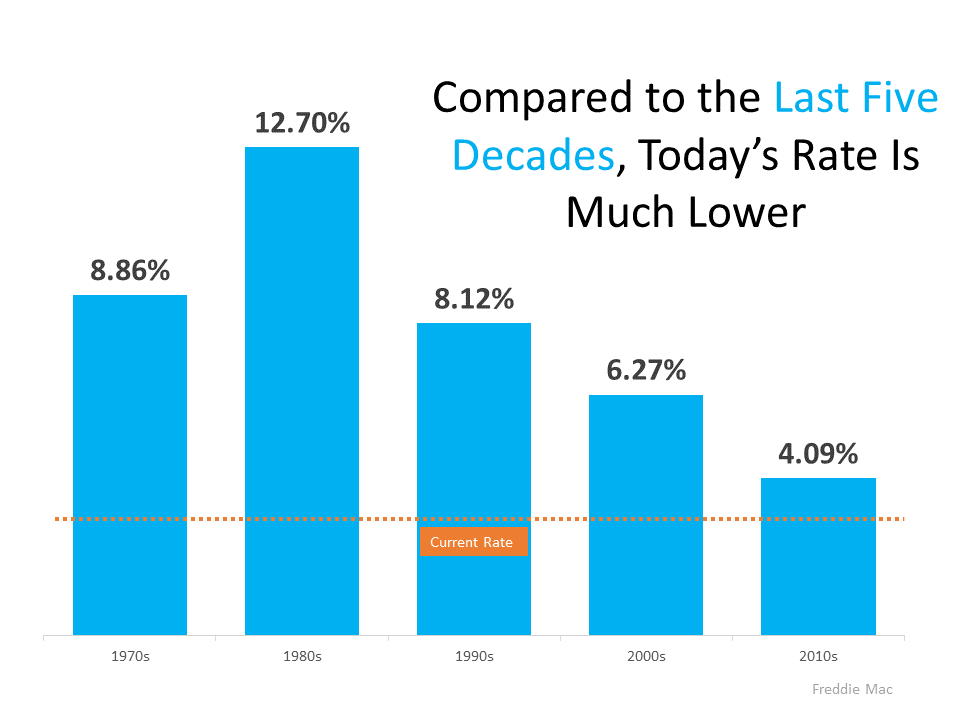
But today’s rate isn’t just low when compared to the most recent years. To truly put today into perspective, let’s look at the last 50 years (see graph below):Two Graphs That Show Why You Shouldn’t Be Upset About 3% Mortgage Rates | MyKCMWhen we look back even further, we can see that today’s rate is truly outstanding by comparison.

What Does That Mean for You?

Being upset that you missed out on sub-3% mortgage rates is understandable. But it’s important to realize, buying now still makes sense as experts project rates will continue to rise. And as rates rise, it will cost more to purchase a home.

As Mark Fleming, Chief Economist at First Americanexplains:

“Rising mortgage rates, all else equal, will diminish house-buying power, meaning it will cost more per month for a borrower to buy ‘their same home.’”

In other words, the longer you wait, the more it will cost you.

Bottom Line

While it’s true today’s average mortgage rate is higher than just a few months ago, 3% mortgage rates shouldn’t deter you from your homebuying goals. Historically, today’s rate is still low. And since rates are expected to continue rising, buying now could save you money in the long run. Let’s connect so you can lock in a great rate now.

Posted in Market Updates
Nov. 30, 2021

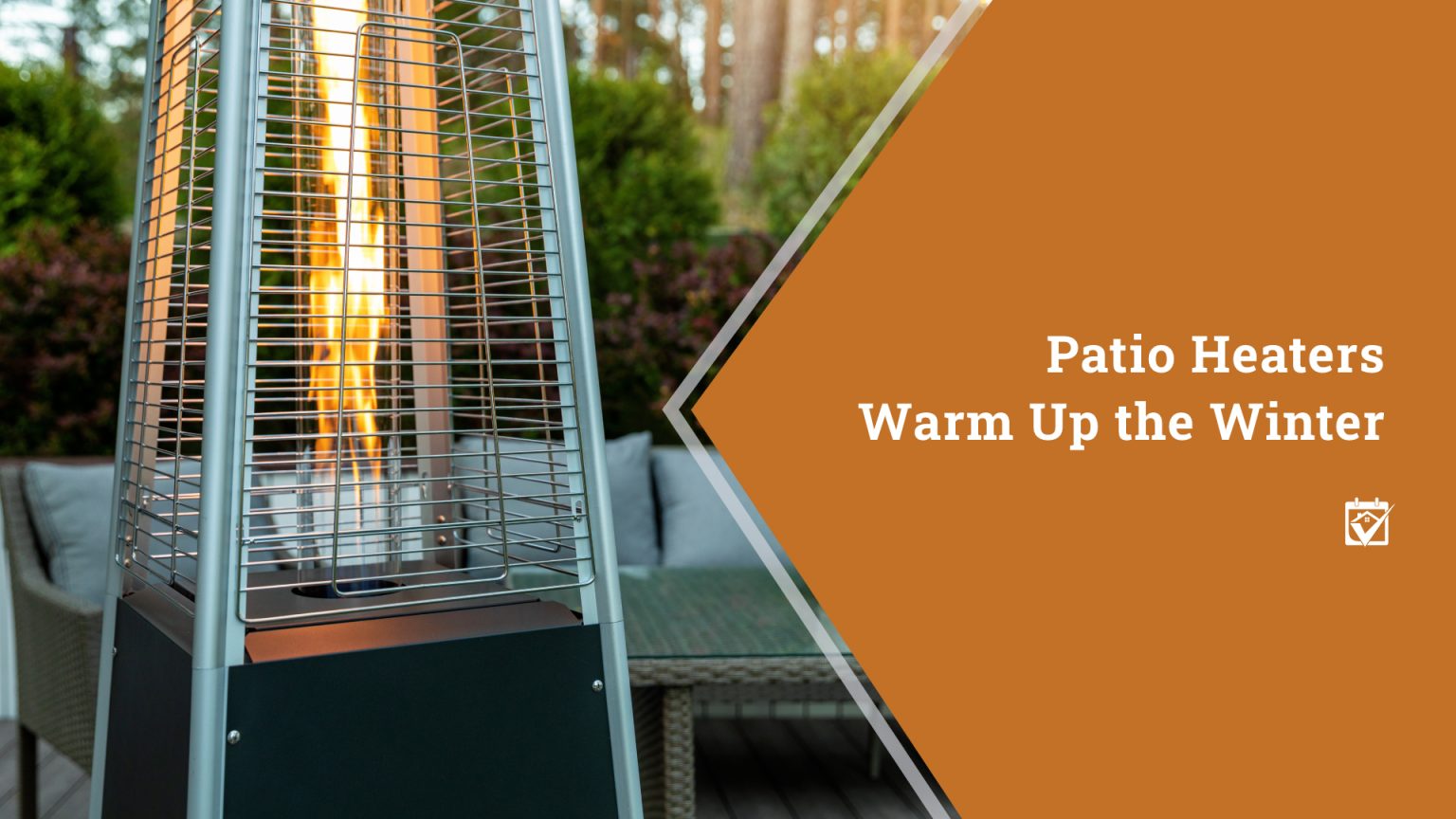
Patio Heaters Warm Up the Winter

Having a patio gives you a great place to hang out and enjoy the outdoors while you’re at home. Unfortunately, dropping temperatures often make your patio all but uninhabitable once the fall and winter months come around. Cooler weather doesn’t have to be the end of your time enjoying your patio, however; there are many options available that can extend your time on the patio, including patio heaters.

There are several things that set patio heaters apart from other outdoor heating options like fire pits. Because they’re designed to spread heat out over a larger area, a patio heater might be the ideal solution to keep your patio area usable well into the winter. If you think that one of these heaters might be the perfect addition to your outdoor space, here are a few things to consider to help make sure that you pick the perfect heater.

How Patio Heaters Work

Patio heaters are designed to radiate heat outward, spreading heat over a larger area than you’d cover with a fire pit or other heat source that doesn’t have a cap or other barrier preventing heat from escaping upward. The amount of heat coverage provided by these heaters differ based on the type of heater, its size, and where it’s located on your patio. Some patio heaters include chimneys or other exhaust pipes to vent potentially harmful gases generated as their fuel burns, preventing those gases from being diverted outward by the same caps that redirect the heat.

Depending on your needs, you can find small patio heaters that can sit on top of a table or other surface, as well as larger free-standing units that sit on the patio floor itself. Most heaters include controls similar to what you see on indoor heaters, allowing you to change the amount of heat produced. This lets you adjust your heater for use when you just need to knock off a little chill or when you need to produce more heat on colder nights.

Patio Heater Types

Though there are several different types of patio heaters; the most common varieties are electric, propane, natural gas, and wood-burning heaters. Here is a little information on each type:

  • Electric heaters are similar to some of the space heaters you might have used indoors, offering benefits such as portability and heat production without creating fuel exhaust. Unfortunately, these heaters are not as energy efficient as other types, and often do not produce as much heat.
  • Propane heaters connect to a propane tank like you would use with a propane grill. They produce more heat than many electric heaters and are still relatively portable, though they should not be used in covered or enclosed areas.
  • Natural gas heaters are the most energy-efficient and convenient patio heaters, connecting to your home’s existing natural gas line so that you don’t have to swap out tanks or perform other maintenance. These heaters are not portable at all, however, and need to be professionally installed to ensure that there are no gas leaks.
  • Wood-burning heaters are the cheapest patio heaters to operate, but they also require more cleaning and maintenance. They also require more work to light and put out and can be fire hazards if left unattended.
  • Choosing a Patio Heater

    Picking the right heater for your patio area depends a lot on how your patio is laid out and whether portability and maintenance are major concerns for you. Electric and propane heaters are best for those who want to be able to move their heater around easily, and wood-burning heaters are a good option for those who want a heater that operates cheaply and doesn’t mind emptying out ash and coals to keep the heater clean.

    Natural gas heaters are the best options for homes where there’s already a gas line installed, and you don’t mind having a permanent heating option in place.

Posted in Home Keppr
Nov. 29, 2021

Don’t Believe Everything You Read: The Truth Many Headlines Overlook

Don't Believe Everything You Read: The Truth Many Headlines Overlook | MyKCM

There are a lot of questions right now regarding the real estate market as we head into 2022. The forbearance program is coming to an end and mortgage rates are beginning to rise.

With all of this uncertainty, anyone with a megaphone – from the mainstream media to a lone blogger – has realized that bad news sells. Unfortunately, we’ll continue to see a rash of troublesome headlines over the next few months. To make sure you aren’t paralyzed by a headline, turn to reliable resources for a look at what to expect from the housing market next year.

There are already alarmist headlines starting to appear. Here are two recent topics you may have seen in the news.

1. Foreclosures Are Spiking Today

There are a number of headlines circulating that call out the rising foreclosures in today’s real estate market. Those stories focus on an overly narrow view on that topic: the current volume of foreclosures compared to 2020. They emphasize that we’re seeing far more foreclosures this year compared to last.

That seems rather daunting. However, though it’s true foreclosures have been up over the 2020 numbers, it’s important to realize that there were virtually no foreclosures last year because of the forbearance plan. If we compare this September to September of 2019 (the last normal year), foreclosures were down 70% according to ATTOM.

Even Rick Sharga, an Executive Vice President of the firm that issued the report referenced in the above article, says:

“As expected, now that the moratorium has been over for three months, foreclosure activity continues to increase. But it's increasing at a slower rate, and it appears that most of the activity is primarily on vacant and abandoned properties, or loans in foreclosure prior to the pandemic.”

Homeowners who have been impacted by the pandemic are not generally the ones being burdened right now. That’s because the forbearance program has worked. Ali Haralson, President of Auction.comexplains that the program has done a remarkable job:

“The tsunami of foreclosures many feared in the early days of the pandemic has not materialized thanks in large part to the swift and decisive foreclosure protections put in place by government policymakers and the mortgage servicing industry.”

And the government is still making sure homeowners have every opportunity to stay in their homes. Rohit Chopra, the Director of the Consumer Financial Protection Bureau (CFPB), issued this statement just last week:

“Failures by mortgage servicers and regulators worsened the impact of the economic crisis a decade ago. Regulators have learned their lesson, and we will be scrutinizing servicers to ensure they are doing all they can to help homeowners and follow the law.”

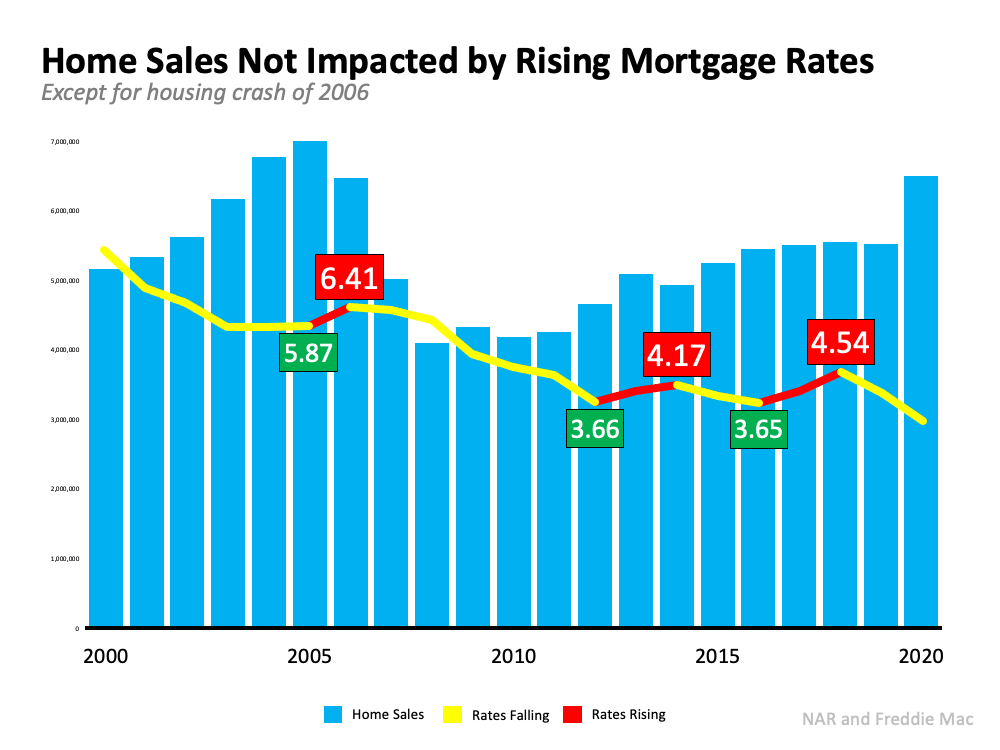
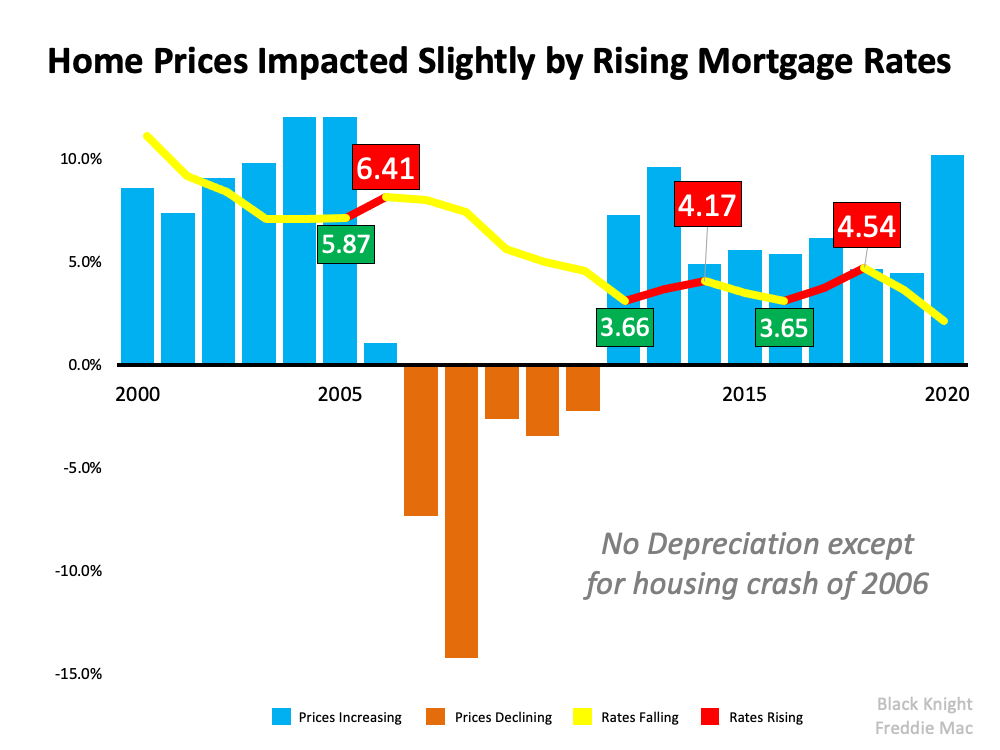
2. Rising Mortgage Rates Will Slow the Housing Market

Another topic that’s generating frequent headlines is the rise in mortgage rates. Some people are expressing concern that rising rates will negatively impact the housing market by causing home sales to dramatically decline. The resulting headlines are raising unneeded alarm bells. To counteract those headlines, we need to take a look at what history tells us. Looking at data over the last 20 years, there’s no evidence that an increase in rates dramatically forces sales to come to a halt. Nor does home price appreciation come to a screeching stop. Let’s look at home sales first:Don't Believe Everything You Read: The Truth Many Headlines Overlook | MyKCMThe last three times rates increased (shown in the graph above in red), sales (depicted in blue in the graph) remained rather consistent. It’s true that sales fell rather dramatically from 2007 through 2010, but mortgage rates were also falling at the time. The next two instances showed no meaningful drop in sales.

Now, let’s take a look at home price appreciation (see graph below):Don't Believe Everything You Read: The Truth Many Headlines Overlook | MyKCMAgain, we see that a rise in rates didn’t cause prices to depreciate. Outside of the years following the crash, prices continued to appreciate, just at a slower rate.

Bottom Line

There’s a lot of misinformation out there. If you want the best advice on what’s happening in the current housing market, let’s connect.

Posted in Market News
Nov. 26, 2021

Home Sales About To Surge? We May See a Winter Like Never Before.

Home Sales About To Surge? We May See a Winter Like Never Before. | MyKCM

Like most industries, residential real estate has a seasonality to it. For example, toy stores sell more toys in October, November, and December than they do in any other three-month span throughout the year. More cars are sold in the U.S. during the second quarter (April, May, and June) than in any other quarter of the year.

Real estate is very similar. The number of homes sold in the spring is almost always much greater than at any other time of the year. It’s even labeled as the spring buying season. Historically, the number of buyers and listings for sale significantly increase in the spring and remains strong throughout the summer. Once fall sets in, the number of buyers and sellers typically drops off.

Last year, however, that seasonality didn’t happen. The outbreak of the virus and subsequent slowing of the economy limited sales during the spring market. These sales were pushed back later in the year, and last fall and winter saw a dramatic increase in home sales over previous years. The only thing that held the market back was the extremely limited supply of homes for sale.

What About This Winter?

Some experts thought we’d return to the industry’s normal seasonality this winter with both the number of purchasers and houses available for sale falling off. However, data now shows that neither of those situations will likely occur. Buyer demand is still extremely strong, and it appears we may soon see a somewhat uncharacteristic increase in the number of homes coming to the market.

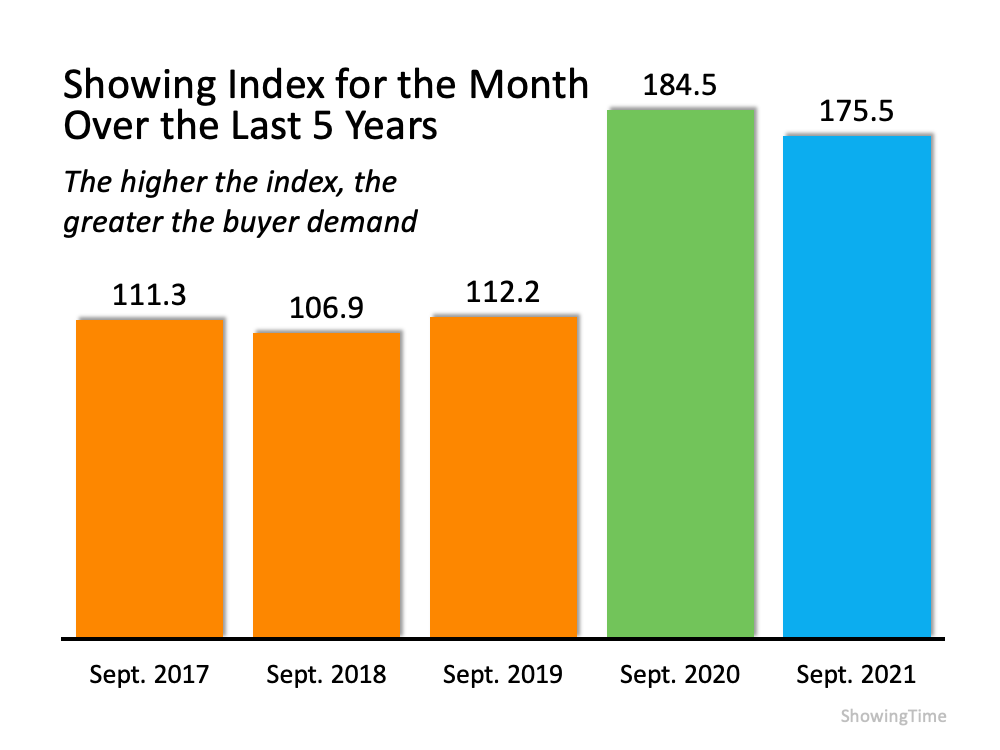
Buyer Demand Remains Strong

The latest Showing Index from ShowingTime, which tracks the average number of monthly showings on available homes, indicates buyer activity was slightly lower than at the same time last year but much higher than any of the three previous years (see chart below):Home Sales About To Surge? We May See a Winter Like Never Before. | MyKCMreport from realtor.com confirms buying activity remains strong in the existing home sales market:

“New housing data shows 2021's feverish home sales pace broke a yearly record in October, . . . with last month marking the eighth straight month of buyers snatching up homes more quickly than the fastest pace in previous years. . . .”

Buyer activity for newly constructed homes is also very strong. Ali Wolf, Chief Economist for Zondarecently reported that Stuart Miller, the Executive Chairman of Lennar, one of the nation’s largest home builders, said this about demand:

“There is still a great deal of demand at our sales centers with people lining up and not enough supply.”

The only question heading into this winter is whether the number of listings available could come close to meeting this buyer demand. We may have just received the answer to that question.

Sellers Are About To List – Right Now

Instead of waiting for the normal spring buying market, new research indicates that homeowners thinking about selling are about to put their homes on the market this winter.

Speaking to the release of a report on this recent research, George Ratiu, Manager of Economic Research for realtor.com, said:

“The pandemic has delayed plans for many Americans, and homeowners looking to move on to the next stage of life are no exception. Recent survey data suggests the majority of prospective sellers are actively preparing to enter the market this winter.

Here are some highlights in the report:

Of homeowners planning to enter the market in the next year:

  • 65% - Have just listed (19%) or plan to list this winter
  • 93% - Have already taken steps toward listing their home, including working with an agent (28%)
  • 36% - Have researched the value of their home and others in their neighborhood
  • 36% - Have started making repairs or decluttering

The report also discusses the reasons sellers want to move:

  • 33% - Have realized they want different home features
  • 37% - Say their home no longer meets their family's needs
  • 32% - Want to move closer to friends and family
  • 23% - Are looking for a home office

Data shows buyer demand remains unusually strong going into this winter. Research indicates the supply of inventory is about to increase. This could be a winter real estate market like never before.

Bottom Line

If you’re thinking of buying or selling, now is the time to have a heart-to-heart conversation with a real estate professional in your market, as things are about to change in an unexpected way.

Posted in Market Updates
Nov. 25, 2021

Everything You Need to Know About Road Salt

As temperatures start to drop, it becomes more and more evident that the cold of winter is right around the corner. In many areas, this means it’s time to start prepping for low temps and all the ice and snow that often accompany them. There’s one thing that people often forget to prepare for, though: the deluge of road salt that often comes with the winter.

Road salt is obviously used to help keep the roads safe by melting snow and ice before it can become dangerous. Many homeowners use salt and salt alternatives around the house as well, keeping walkways and steps ice-free during harsh weather. If you aren’t careful, though, having too much salt can cause a lot of problems with your landscaping and even some home fixtures. If you want to stay on top of potential salt-related problems, here are some things to keep in mind while preparing for winter.

The Problem With Road Salt

Road salt has been around for a long time; it was first used in the 1930s to help keep ice off of the roads, and though there have been some refinements since then, the basic premise remains the same. Salt lowers the freezing temperature of the water, making it take lower temperatures to freeze and thus preventing some of the ice buildups that can make roads hazardous. Once temperatures drop past a certain point this water can still freeze, but between traffic and the angle of the road surface, there may be less of the slower-freezing water on the road by that point.

Unfortunately, road salt can also cause problems over the course of the winter. Salt sprayed from the tires of passing cars and leached off as runoff from melting snow can get into your yard, damaging or killing grass or plants near the road. That same salt can cause corrosion on your vehicles if you live in an area where the roads are frequently salted, leading to both rust and paint damage as the salty water evaporates and white salt powder builds up on your car. Salt tracked in on your tires and shoes can also cause damage to concrete in your garage and on your steps, especially if it’s left there for extended periods. Even the salt products that you use around the house yourself can lead to some of these problems if you use too much and don’t clean up after.

Road Salt Protection

There are a few ways to protect your home and lawn from the effects of salt during the winter. If you use a lot of plants or decorative grasses in your yard, keep sensitive plants away from roads and driveways and plant hardier grasses in the areas that will get the most salt exposure. When temperatures rise above freezing, water the areas where salt was splashed onto your yard thoroughly to help dilute the salt, and add lime or gypsum as well to help neutralize the salt’s effects. You should also keep an eye on grass and plants that seem to develop salt damage so that they can be replaced in the spring.

To protect your garage floor and other parts of your home, be sure to rinse them thoroughly with clean water to remove possible salt buildup. To add a layer of protection to the concrete, consider applying an epoxy-based sealant to the garage floor as well before temperatures drop too much. Wash your car when possible if you notice salt buildup to remove it before it can cause damage. If you’re using sidewalk salt to keep your steps clear, choose a concrete-safe salt alternative or ice melt mix to help prevent damage.

Posted in Home Keppr
Nov. 24, 2021

Your Journey to Homeownership [INFOGRAPHIC]

Your Journey to Homeownership [INFOGRAPHIC] | MyKCM

Some Highlights

  • When it comes to buying a home, there are a number of key milestones along the way.
  • The process includes everything from building your team and understanding your finances to go house huntingmaking an offer, and more.
  • When you’re ready to start your journey, let’s connect so you have trusted guidance at every milestone in the process.


Posted in Buying Tips
Nov. 23, 2021

Tips for Choosing Replacement Windows


Your home’s windows fill a number of important roles. They let natural light into the house, allow you to see what’s going on outside, and serve as a barrier against inclement weather. Unfortunately, your windows aren’t immune to the ravages of time, weather, and various other hazards that can damage or weaken them. You may find yourself in a position where you have to replace one or more windows in your home, especially if you’re hoping to prevent drafts and leaks heading into the winter.

Not all replacement windows are created equal, however. Depending on your situation and the condition of your existing windows, there may be a few different options to sort through when choosing replacements. While a lot of this will depend on your specific circumstances and your own personal preferences, here are a few tips to keep in mind to make choosing replacement windows that much easier.

Sorting Through Window Options

There are a lot of considerations when it comes to choosing replacement windows. Some of these are obvious, including things like frame color, glass tint, and how the windows open. Others might not be quite as obvious, such as insulation values and UV filtering. Price isn’t necessarily an indicator of quality, either; you may find cheaper windows that are a better fit for your needs than more expensive models.

Take the time to figure out what you need from a window before you actually start shopping. If you live in an area where the winters are cold and you’re trying to prevent drafts, the insulating power of your new windows will obviously be a priority. If you’re replacing eastern-facing windows and worry about too much light coming through early in the morning, tinting or another filtering will be a concern. Having windows that are easy to open for cleaning may be a major concern, or if you’re security conscious, you may want windows with advanced security or smart sensors built-in. Figure out what’s most important to you before you start shopping so that you can choose windows based on your criteria instead of developing criteria based on the windows you see.

Interior vs. Exterior Installation

In addition to the windows themselves, the type of installation you use can make a difference not only on your overall cost but also on how easily your windows are installed overall. Your options will include exterior installation, where the frames and other support material are replaced along with the window itself, and interior installation, where just the window is installed into an existing frame. When it comes to choosing an installation type, a large part of the decision rests on the condition of your existing windows and frames.

Exterior installations are bigger jobs and require more work to get the window installed, but they’re ideal if there is damage or warping present in the existing frame as they ensure that there aren’t going to be any leaks or drafts after your window is installed. They’re also essential if you’re changing the size of your window and the new window won’t fit easily into your existing frame. Interior installations are easier as there aren’t any changes made to the frame but are only possible if the frame is undamaged and the new window matches the dimensions of the old one.

Replacement Installation

Regardless of the replacement windows you choose, you’re going to want to have them installed by someone you can trust. While some homeowners may be in a position to install their own replacement windows, for the vast majority this will mean hiring a contractor or other professional to get the job done. Fortunately for you, HomeKeepr is here to help.

Posted in Home Maintenance