Area Real Estate News & Market Trends

You’ll find our blog to be a wealth of information, covering everything from local market statistics and home values to community happenings. That’s because we care about the community and want to help you find your place in it. Please reach out if you have any questions at all. We’d love to talk with you!

Sept. 25, 2021

What’s a Plant Ledge?


Sometimes, the purpose of features in your home isn’t quite apparent. This can lead to you having an “a-ha!” moment later when the purpose of a seemingly quirky home feature becomes apparent. With some features, though, that moment can take a while to arrive. One feature that might not seem to have a real purpose, if you aren’t already aware of what it’s for, is a plant ledge.


Plant ledges were pretty popular in the mid 90s and early 2000s, so homes built or remodeled around this time are likely to have these random high ledges in rooms that may not seem that practical at first glance. You can probably guess to at least some of the purpose from their names, but plant ledges can be used for a number of things. Given that plant shelves and similar storage options are coming back into style, here’s a bit more information on plant ledges and how they can beautify your home.


Plant Ledges

As the name implies, plant ledges were ledges built into the wall that were typically intended to hold potted plants of some variety. These ledges were placed high on the wall, usually within a foot or so of the ceiling in that space that isn’t often used for shelving and other storage. Some plant ledges had built-in lighting to better illuminate their contents, though this wasn’t the case with all of them. Many homeowners would put silk plants on their plant ledges to reduce the amount of maintenance required to keep them in good shape, but live plants were also used, especially those that don’t require a ton of water or direct sunlight.

Depending on where the ledges were installed, they might appear only on a single wall or could surround a room. In some cases, they even worked their way around fixtures in the room, such as ledges that connected with the tops of cabinets and made their way around the kitchen area. While the plant ledges in a home were placed in areas where they would be seen, most of the ledges themselves were fairly simple in design so as not to take away from the beauty of their contents.

Not Just for Plants

Though they are known as plant ledges, these high ledges can be used for a wide range of decorative items. Some feature grooves cut into the top ledge surface, allowing decorative plates or similar items to be displayed without fear of them shifting and falling off the ledge. Vases, awards, and other decorative items can also be placed on the ledges to accent various rooms. Often, people use these ledges to hold a mix of items, including both plants and other pieces, to create a more diverse space.

The size, width, and location of the ledges can differ depending on what they’re intended to hold as well. In addition to grooves, spacers and other cutouts can be placed in the ledge to help them hold specific items more safely. Wider ledges also come in handy when it comes to holding bigger items, while thinner ledges are ideal for smaller or thinner pieces that you intend to display.

Considering Plant Ledges?

With shelves and storage pieces becoming popular as ways to hold plants and other display items, a plant ledge might sound great for some of the rooms in your home. They tend to take a bit more work to install than just a simple shelf, but the look that they create is typically worth the extra effort. You can talk with a contractor or remodeling expert to see how best to incorporate plant ledges into your home.

Posted in DFW Lifestyles
Sept. 24, 2021

Is the Number of Homes for Sale Finally Growing?

Is the Number of Homes for Sale Finally Growing? | MyKCM

An important metric in today’s residential real estate market is the number of homes available for sale. The shortage of available housing inventory is the major reason for the double-digit price appreciation we’ve seen in each of the last two years. It’s the reason many would-be purchasers are frustrated with the bidding wars over the homes that are available. However, signs of relief are finally appearing.

According to data from realtor.com, active listings have increased over the last four months. They define active listings as:

The active listing count tracks the number of for sale properties on the market, excluding pending listings where a pending status is available. This is a snapshot measure of how many active listings can be expected on any given day of the specified month.”

What normally happens throughout the year?

Historically, housing inventory increases throughout the summer months, starts to tail off in the fall, and then drops significantly over the winter. The graph below shows this trend along with the month active listings peaked in 2017, 2018, and 2019.Is the Number of Homes for Sale Finally Growing? | MyKCM

What happened last year?

Last year, the trend was different. Historical seasonality wasn’t repeated in 2020 since many homeowners held off on putting their houses up for sale because of the pandemic (see graph below). In 2020, active listings peaked in April, and then fell off dramatically for the remainder of the year.Is the Number of Homes for Sale Finally Growing? | MyKCM

What’s happening this year?

Due to the decline of active listings in 2020, 2021 began with record-low housing inventory counts. However, we’ve been building inventory over the last several months as more listings come to the market (see graph below):Is the Number of Homes for Sale Finally Growing? | MyKCMThere are three main reasons we may see listings continue to increase throughout this fall and into the winter.

  1. Pent-up selling demand – Homeowners may be more comfortable putting their homes on the market as more and more Americans get vaccinated.
  2. New construction is starting to take off – Though new construction is not included in the realtor.com numbers, as more new homes are built, there will be more options for current homeowners to consider when they sell. The lack of options has slowed many potential sellers in the past.
  3. The end of forbearance will create some new listings – Most experts believe the end of the forbearance program will not lead to a wave of foreclosures for several reasons. The main reason is the level of equity homeowners currently have in their homes. Many homeowners will be able to sell their homes instead of going to foreclosure, which will lead to some additional listings on the market.

Bottom Line

If you’re in the market to buy a home, stick with it. There are new listings becoming available every day. If you’re thinking of selling your house, you may want to list your home before this additional competition comes to market.

Posted in Market News
Sept. 23, 2021

Landscaping for Curb Appeal


First impressions go a long way. This is applicable to not only when you meet someone new, but also when somebody sees your house for the first time. Regardless of whether it’s a friend or colleague coming over to visit or a prospective buyer looking at a property you’re trying to sell, the importance of curb appeal shouldn’t be underestimated.


You might think that it takes a lot of work and money to update the curb appeal of your home, but that doesn’t have to be the case. It’s possible to significantly increase the curb appeal of your home and your property just by changing your landscaping. Here are a few ways that your landscaping can change up the look of your property and give your overall curb appeal a significant boost.


Adjusting Existing Landscaping

It doesn’t take a lot to turn around your existing landscaping and dramatically increase your curb appeal. Depending on the state that your trees, shrubs, and other plants are in, it may just be a matter of trimming everything back and taking the time to shape some of the more unruly growth you’ve got going on. Trim down bushes and create a more uniform texture, cut back overgrown limbs, get vining plants under control, and otherwise reign in your existing growth so that it looks much more manicured.

Once you’ve got your current growth under control, consider adding some accents to your landscaping. This can come in the form of colored mulch or gravel beds to add more definition to some of your flowers or plants, fountains or other features to provide a bit of contrast, and possibly even removing a few plants or moving potted plants to a new area to ease up on crowding and create a bit more symmetry in your yard. Even if you don’t make major changes, these little accents and changes can still make a big difference.

New Landscaping Additions

If you want to make bigger changes, consider adding more plants to your yard that will accentuate what you’ve already got there. Put in additional bushes or shrubs of similar types to what you’ve already got on your property to help fill out areas that seem a bit thin in coverage. Add sod to create more uniform ground coverage so that the various clovers, creepers, and other plants don’t distract from the look of your home. Put in some flowering annuals if most of your landscaping contains plants that don’t really flower to add splashes of color to break up all the green. Just look at what you’ve already got and think about how you might improve it.

Of course, it’s important to remember that sometimes a bit of contrast can really help your landscaping as well. Don’t be afraid to add flowers or other plants that don’t seem to go with everything else if you find something that you really want to stand out. If you take the time to come up with a landscaping plan that will be visually striking, it will really get people’s attention the first time they see your home.

Give Your Landscaping a Boost

Depending on what you have in mind, there are a number of ways that you can change up your landscaping through DIY projects. In some cases, though, you may need to bring in a landscaping pro to make more significant changes to your home’s landscaping. Not only will a professional be able to tackle larger projects more quickly, but they may also be able to offer suggestions on the specific shrubs, plants, and other landscaping choices that you add to your property.

Posted in Home Staging Tips
Sept. 22, 2021

Is It Time To Move on to a New Home?

Is It Time To Move on to a New Home? | MyKCM

If you’ve been in your home for longer than five years, you’re not alone. According to recent data from First American, homeowners are staying put much longer than historical averages (see graph below):Is It Time To Move on to a New Home? | MyKCMAs the graph shows, before 2008, homeowners sold their houses after an average of just five years. Today, that number has more than doubled to over 10 years. The housing industry refers to this as your tenure.

To really explore tenure, it’s important to understand what drives people to make a move. An article from The Balance explores some of the primary reasons individuals choose to sell their houses. It says:

“People who move for home-related reasons might need a larger home or a house that better fits their needs, . . . Financial reasons for moving include wanting a nicer home, moving to a newer home to avoid making repairs on the old one, or cashing in on existing equity.”

If you’ve been in your home for longer than the norm, chances are you’re putting off addressing one, if not several, of the reasons other individuals choose to move. If this sounds like you, here are a few things to consider:

If your needs have changed, it may be time to re-evaluate your home.

As the past year has shown, our needs can change rapidly. That means the longer you’ve been in your home, the more likely it is your needs have evolved. The Balance notes several personal factors that could lead to your home no longer meeting your needs, including relationship and job changes.

For example, many workers recently found out they’ll be working remotely indefinitely. If that’s the case for you, you may need more space for a dedicated home office. Other homeowners choose to sell because the number of people living under their roof changes. Now more than ever, we’re spending more and more time at home. As you do, consider if your home really delivers on what you need moving forward.

It’s often financially beneficial to sell your house and move.

One of the biggest benefits of homeownership is the equity your home builds over time. If you’ve been in your house for several years, you may not realize how much equity you have. According to the latest Homeowner Equity Report from CoreLogic, homeowners gained an average of $33,400 in equity over the past year.

That equity, plus today’s low mortgage rates, can fuel a major upgrade when you sell your home and purchase a new one. Or, if you’re looking to downsize, your equity can help provide a larger down payment and lower your monthly payments over the life of your next loan. No matter what, there are significant financial benefits to selling in today’s market.

Bottom Line

If you’ve been in your home for 5-10 years or more, now might be the time to explore your options. Today’s low rates and your built-up equity could provide you with the opportunity to address your evolving needs. If you feel it’s time to sell, let’s connect.

Posted in Buying Tips
Sept. 21, 2021

7 Design Principles Everyone Should Know

Mid-century modern, eclectic, boho, and minimalist are just a few of the most popular design aesthetics professional designers and nonprofessionals alike utilize to make a home look more cohesive and beautiful. While each style is very different from one another, they all start with the same basic principles.

You need to have a good grasp of design principles and how they work together to create a well-designed space. Once you do, you’ll be able to see your home in a completely new light and achieve the spaces you’ve always dreamed of.grandmother and granddaughter using device
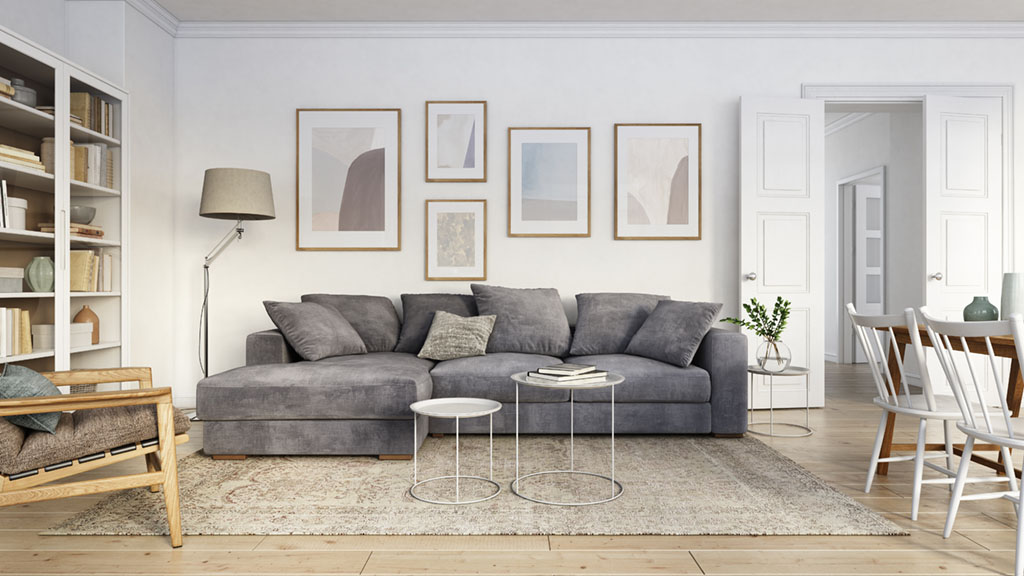
  • UNITY
    The principle of unity stipulates that every element in a room, from the furniture to the accessories, should work together in harmony. This is not to say that everything must be the same shape and color and that it must match perfectly. However, unity requires that all components blend cohesively so that the room’s appearance isn’t jarring.

    Application of unity:

    • If you are making a gallery wall with differently shaped frames, consider keeping all of the frames the same color.

    • A patterned sofa or chair can make a room pop, but try to avoid using an overload of contrasting patterns in the same space. For example, don’t pair a floral love seat with a polka-dot ottoman and a tie-dye throw blanket.

    • Select a color scheme for your room and stick with it. You can play with a variety of colors in the same space, but they should all work together and be visually appealing next to one another.
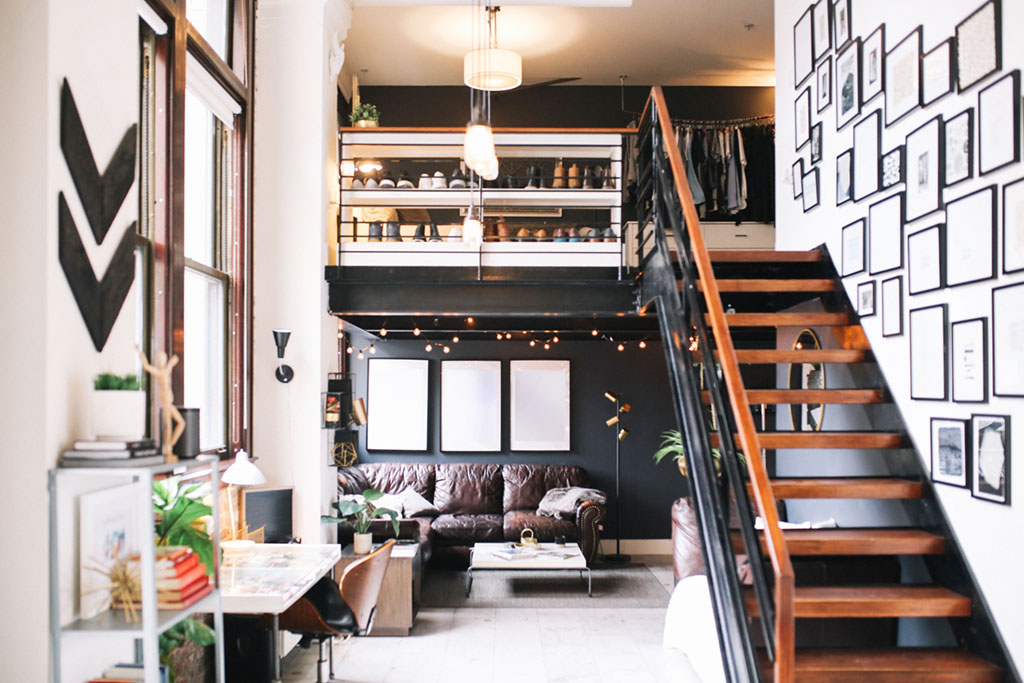
grandmother and granddaughter using deviceCONTRAST
Contrast is on the opposite end of the spectrum from unity, but it is equally important in achieving a balanced look for your rooms. It is characterized by combining objects of varying forms, shapes, sizes, and colors.
Application of contrast:
- A rounded dining table can be paired with chairs that have sleek, rectangular backs. Conversely, hang a rounded mirror or another accessory in your kitchen with a farmhouse, bench-style table.
- Color is one of the most obvious ways to achieve contrast, such as including black and white furniture or painting a single wall in a standout shade.
- Try not to overcrowd a specific area of a room. Utilizing negative space by leaving areas of the room empty can help draw the eye to a particular part of the room you want people to see and away from other parts.grandmother and granddaughter using deviceBALANCE
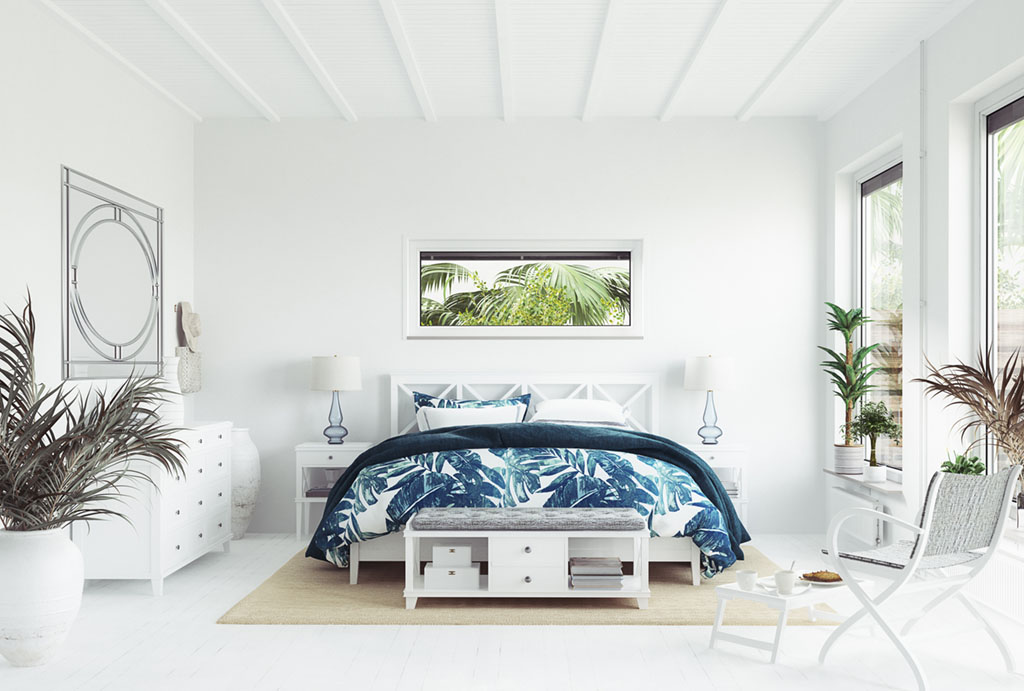
Many people confuse balance with symmetry, and they are not the same. You can achieve balance in your interior design through both symmetry and asymmetry. What’s most important to keep in mind is that the entire room should look and feel interconnected.

Application of balance:

- Utilize a specific object in the room as a focal point, such as a large mirror, a dining table, or an interesting piece of art, and build out the rest of the room around that point.

- When grouping like items, consider keeping the number of objects balanced. For example, if you are placing a line of candles on a mantel, make sure the candles are evenly spaced.

- If you have a lot of large and heavy pieces of furniture in the room,
create balance by incorporating delicate tables or other accents to counteract the weight.

grandmother and granddaughter using device
RHYTHM
Just like in music, every room you design needs rhythm. Rhythm makes a room more visually appealing and helps it to feel complete. Repetition is key to creating a good rhythm in a space, but the rhythm and pattern you choose are up to you.

Application of rhythm:
- Create movement along a wall by alternating the colors or shapes of picture frames. For example, hang a blue frame, followed by a white frame, followed by another blue frame.
- You can also create rhythm by using the same color in multiple places throughout the room, such as gold hardware on kitchen cabinets with gold vases.
- If you are placing objects or accents in a straight line, make sure there is rhythm among them, such that they move the eye along the wall or in a particular direction
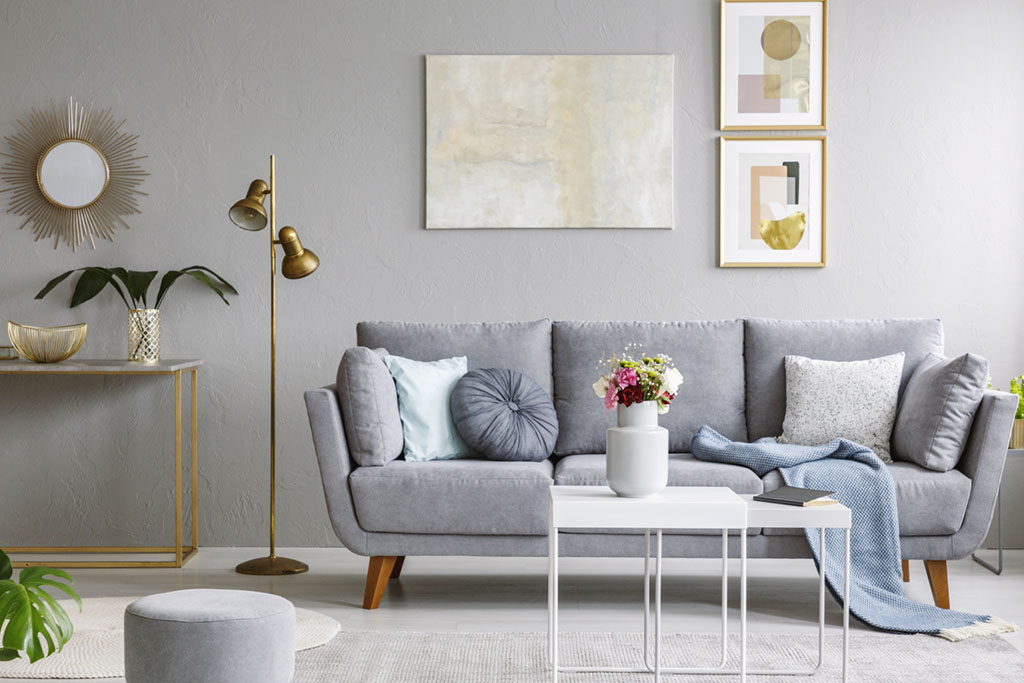
grandmother and granddaughter using deviceSCALE/PROPORTION
Scale and proportion go hand in hand when designing a room, and both principles need to be in play to help the design feel comfortable and functional. Design should, first and foremost, make sense for you and your lifestyle.
Application of scale/proportion:
- When hanging objects on walls, make sure they are as close to eye level (approximately five to six feet from the floor) as possible. Also, if you’re hanging a mirror or piece of art above furniture, make sure you give the piece room to breathe so both objects aren’t competing for attention.
- Think of every room as having different parts or quadrants to ensure that accent pieces and furniture are evenly dispersed throughout the space. Try taking a few steps back from the room before making final placement decisions to get the bigger picture of your setup.
- Think practically when it comes to the furniture you choose. Installing a shelf at an unreachable height doesn’t make much sense, nor does buying an eight-seat sofa for a family of two. Consider the size and space that objects take up in relation to how you will use them.grandmother and granddaughter using deviceEMPHASIS
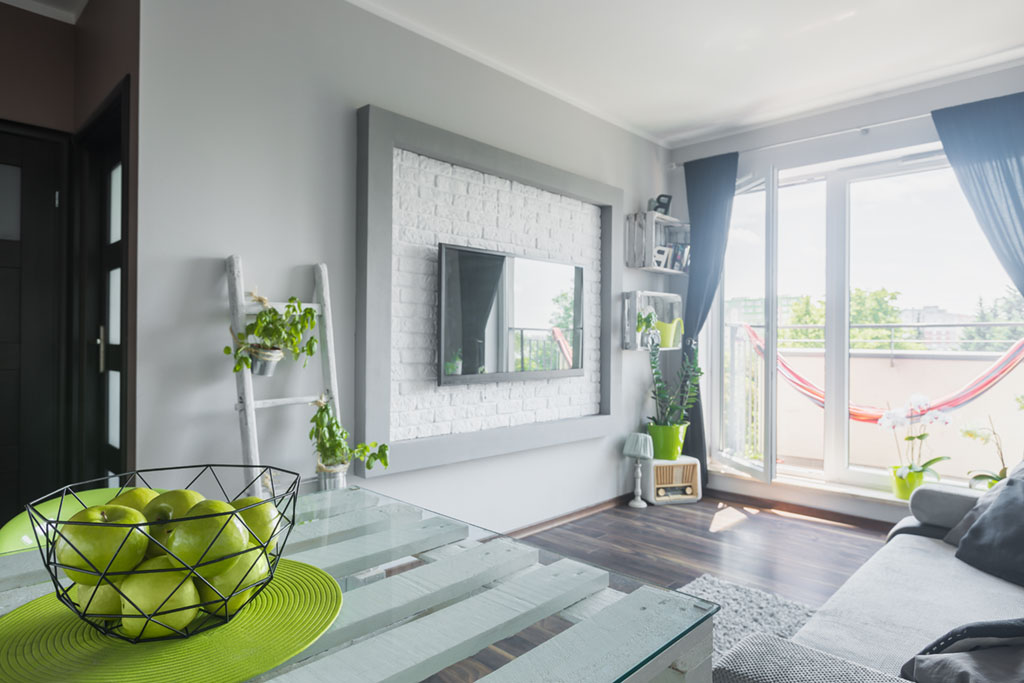
Emphasis is a particularly important part of eclectic and modern design styles, as it encourages the use of a single color, object, or pattern as the focal point. However, this is an important element to consider no matter your style, as it can help you easily build out your design.
Application of emphasis:
- Do you have a favorite antique or a beloved piece of furniture you don’t want to part with? Consider building out the design of your room around it. For instance, a beautiful, antique china cabinet can be repurposed into a home for books in a living room.
- If you are fond of a particular color, highlight it in a room you frequently use, such as the kitchen or family room. You can even build a color scheme around that color to make sure it doesn’t overpower the space.
- Avoid doubling up on focal points within the same space. A room with a grand piano doesn’t also need a full wall of art, for example. Choose one element that stands out as the most visually appealing, and keep the rest of the room simple.
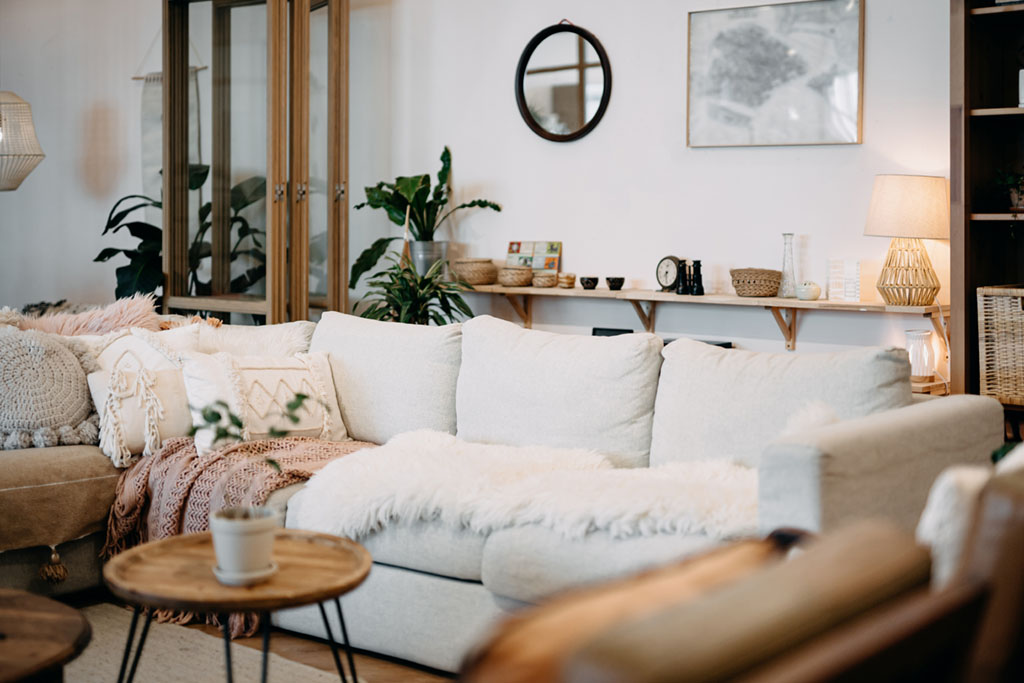
grandmother and granddaughter using deviceDETAIL
Last but certainly not least, detail is a hugely significant but frequently overlooked element of design. You don’t need to spend all of your time fine-tuning every inch of your space. However, in order for a room to look and feel complete, it’s essential to pay attention to detail.

Application of detail:
- Every part of your home should feel like you, so don’t be afraid to incorporate personal touches or elements that aren’t necessarily in line with what’s popular in interior design at the moment. This can give your design a more lived-in and timeless appearance.
- If part of a room feels lackluster, try bringing in an accent piece, such as a large potted plant or a standing mirror, but make sure you’re keeping the other design principles in mind.
- Small details, like a curated stack of coffee-table books or a vase of your favorite flowers, can go a long way. When you are done incorporating all of the other design elements, scan the room for anything that is missing or that feels out of place, and remove objects that don’t fit or serve a purpose.

Share these tips on the basics of design with friends and family.


Posted in Home Staging Tips
Sept. 20, 2021

Why It’s Still Safe To Sell Your Home

Why It’s Still Safe To Sell Your Home | MyKCM

If you’re on the fence about whether or not you want to sell your house this year, there’s good news. Real estate professionals are highly experienced in how to sell houses safely during the pandemic. Over the last year, agents have adopted new technologies and safety measures designed to keep you safe. And experts say these practices are here to stay. As Bob Goldberg, CEO of the National Association of Realtors (NAR), puts it:

“The pandemic has confirmed to all of us in the industry that technology will continue to transform real estate.”

Below is a closer look at some of the new tools real estate professionals are using to better serve sellers.

New and Existing Technology Are Impacting the Process

In the 2021 Realtor Technology Survey, NAR asks real estate professionals their opinions on the most valuable pieces of technology for their business over the past 12 months. The graph below highlights the top five tools those agents said are true game-changers:Why It’s Still Safe To Sell Your Home | MyKCMTools that allow agents to serve clients at a distance and limit exposure to others, including eSignature, lockboxes, and video conferencing, became increasingly important during the last year. Those same tools are just as essential today. Restricting the number of people a seller must interact with during the process is the best way to keep all parties involved in a sale safe.

Trusted Advisors Stay Up to Date on Guidelines for In-Person Showings

As things change in our day-to-day lives, the guidance on how to stay safe changes as well. NAR regularly updates the resources available to real estate professionals to ensure the latest recommendations and best practices are readily available. This includes suggestions on how to continue to conduct safe in-person showings.

Agents also follow guidance from the Centers for Disease Control (CDC) to make sure homes are safe. The CDC’s advice includes information on how to clean high-touch surfaces like doorknobs, tables, and countertops so they’re disinfected for all.

This past year changed the way agents do things for the better. Real estate professionals use new technology, tools, cleaning procedures, and the latest guidance to meet your changing needs. The goal is to keep you safe and build your confidence throughout the sales process.

Bottom Line

It’s important to know that your safety is still a top priority when it comes to selling this year. Let’s connect today so you can have the best tools available to help you take advantage of today’s sellers’ market.

Posted in Market Updates
Sept. 20, 2021

The Truth About Today’s Buyer Demand

The Truth About Today’s Buyer Demand | MyKCM

When it comes to the latest news in real estate, there are a lot of sensational headlines in the media. In times like this, when it can be hard to know what to believe, put your trust in the experts. Those of us in the housing market respect that buying or selling a home is a major life decision, and we offer advice based on what the data shows.

Despite what you may have read, the housing market is still undeniably strong. Here’s a look at what leading experts have to say about buyer demand today and how it continues to shape the industry:

Michael Lane, President at ShowingTime:

“In general, there are definite signs of cooling demand. However, buyer traffic is still at historically high levels compared to pre-pandemic showings.”

Odeta Kushi, Deputy Chief Economist at First American:

“Seasonally adjusted purchase applications tick up slightly to the highest level since July. Demand for homes remains strong and steady. Excluding 2020 (not a good benchmark) purchase applications are the strongest in a decade.” 

Selma Hepp, Deputy Chief Economist at CoreLogic:

Home buyer demand pushed price growth to a new record high in June, with S&P CoreLogic national Case-Shiller Index clocking in an 18.6% year-over-year growth rate. The month-to-month index jumped 2.18%, making it another strong monthly growth, and the fastest May-to-June increase since the data series began.”

What It Means for You

As a seller, buyer demand is an important factor that helps influence how fast your house will sell and how many buyers may be competing for it. When buyers have to compete against each other for a limited supply of available homes, bidding wars can drive prices up. While things have cooled slightly since the peak of the pandemic housing rush, buyer demand is still far surpassing historical norms. That’s why we’re still in a sellers’ market.

Bottom Line

If you’re torn on whether or not you want to sell your home this year, rest assured it’s still a great time to make a move. Let’s connect to discuss how you can sell now and do it on your best terms thanks to today’s buyer demand.

Posted in Market Updates
Sept. 17, 2021

Understand Your Options To Avoid Foreclosure

Understand Your Options To Avoid Foreclosure | MyKCM

Even though experts agree there’s no chance of a large-scale foreclosure crisis, there are a number of homeowners who may be coming face-to-face with foreclosure as a possibility. And while the overall percentage of homeowners at risk is decreasing with time (see graph below), that’s little comfort to those individuals who are facing challenges today.Understand Your Options To Avoid Foreclosure | MyKCMIf you haven’t taken advantage of the forbearance period, it may be time to research and understand your options. It starts with knowing what foreclosure is. Investopedia defines it like this:

Foreclosure is the legal process by which a lender attempts to recover the amount owed on a defaulted loan by taking ownership of and selling the mortgaged property. Typically, default is triggered when a borrower misses a specific number of monthly payments . . .” 

The good news is, there are alternatives available to help you avoid having to go through the foreclosure process, including:

  • Reinstatement
  • Loan modification
  • Deed-in-lieu of foreclosure
  • Short sale

But before you go down any of those paths, it’s worth seeing if you have enough equity in your home to sell it and protect your investment.

Understand Your Options: Sell Your House

Equity is the difference between what you owe on the home and its market value based on factors like price appreciation.

In today’s real estate market, many homeowners have far more equity in their homes than they realize. Over the last year, buyer demand has been high, but housing supply has been low. That’s led to a substantial increase in home values. When prices rise, so does the amount of equity you have in your house.

According to CoreLogic, on average, homeowners gained $33,400 in equity over the last 12 months, and the average equity on mortgaged homes is now $216,000 (see map below):Understand Your Options To Avoid Foreclosure | MyKCMSo, what does that mean for you? Over the past year, chances are your home’s value and therefore your equity has risen dramatically. If you’ve been in your home for a while, the mortgage payments you’ve made over time chipped away at the balance of your loan. If your home’s current value is higher than what you still owe on your loan, you may be able to use that increase to your advantage.

Frank Martell, President and CEO of CoreLogic, elaborates on how equity can help:

Homeowner equity has more than doubled over the past decade and become a crucial buffer for many weathering the challenges of the pandemic. These gains have become an important financial tool and boosted consumer confidence in the U.S. housing market.”

Don’t Go at It Alone – Lean on Experts for Advice

To find out what your house is worth in today’s market, work with a local real estate professional. We’ll be able to give you an estimate of what your house could sell for based on recent sales of similar homes in your area. Since home prices are still appreciating, you may be able to sell your house to avoid foreclosure.

If you find out that you have to pursue other options, your agent can help with that too. We’ll be able to connect you with other professionals in the industry, like housing counselors who can look into your unique situation and offer advice on next steps if selling isn’t the best alternative.

Bottom Line

If you’re a homeowner facing hardship, let’s connect to explore your options and see if you can sell your house to avoid foreclosure.

Posted in DFW Lifestyles
Sept. 16, 2021

What Buyers and Sellers Need To Know About the Appraisal Gap

What Buyers and Sellers Need To Know About the Appraisal Gap | MyKCM

It’s economy 101 – when supply is low and demand is high, prices naturally rise. That’s what’s happening in today’s housing market. Home prices are appreciating at near-historic rates, and that’s creating some challenges when it comes to home appraisals.

In recent months, it’s become increasingly common for an appraisal to come in below the contract price on the house. Shawn Telford, Chief Appraiser for CoreLogic, explains it like this:

Recently, we observed buyers paying prices above listing price and higher than the market data available to appraisers can support. This difference is known as ‘the appraisal gap . . . .’”

Why does an appraisal gap happen?

Basically, with the heightened buyer demand, purchasers are often willing to pay over asking to secure the home of their dreams. If you’ve ever toured a house you’ve fallen in love with, you understand. Once you start to picture yourself and your furniture in the rooms, you want to do everything you can to land the property, including putting in a high offer to try to beat out other would-be buyers.

When the appraiser comes in, they look at things a bit more objectively. Their job is to assess the inherent value of the home, so they’re going to study the facts. Dustin Harris, Appraiser Coach, drives this point home:

It’s important for everyone to understand that the appraiser’s job in the end is to remain that unbiased third party, to truly tell the client what that home is worth in the current market, regardless of what decisions have been made on the price side of things.”

In simple terms, while homebuyers may be willing to pay more, appraisers are there to assess the market value of the home. Their goal is to make sure the lender isn’t loaning more money than the home is worth. It’s objective, rather than emotional.

In a highly competitive market like today’s, having a discrepancy between the two numbers isn’t unusual. Here’s a look at the increasing rate of appraisal gaps, according to data from  CoreLogic (see graph below):What Buyers and Sellers Need To Know About the Appraisal Gap | MyKCM

What does this mean for you?

Ultimately, knowledge is power. The best thing you can do is understand appraisal gaps may impact your transaction if you’re buying or selling. If you do encounter an appraisal below your contract price, know that in today’s sellers’ market, the most common approach is for the seller to ask the buyer to make up the difference in price. Buyers, be prepared to bring extra money to the table if you really want the home.

Above all else, lean on your real estate agent. Whether you’re a buyer or seller, your trusted advisor is your ally if you come up against an appraisal gap. We’ll help you understand your options and handle any additional negotiations that need to happen.

Bottom Line

In today’s real estate market, it’s important to stay informed on the latest trends. Let’s connect so you have an ally to help you navigate an appraisal gap to get the best possible outcome.

Posted in Market Updates
Sept. 15, 2021

How Does a Radiator System Work?

Keeping the climate in your home under control is important throughout the year. Not only do you need to have a reliable way to keep the heat of the summer sun at bay, but you’ll also want some method of keeping toasty and warm on cool autumn evenings and throughout the frigid winter. For many homeowners, this means a forced-air heat pump, usually as part of a combined central heating and cooling system. This isn’t the only option that’s available, however.

Though you might think radiator heating is a product of a bygone era, radiator heating systems are actually the second most popular home heating option out there. Depending on where you live and the type of system you use, they can actually be more comfortable than forced-air heating and may even use less electricity to keep running. If you’re considering upgrading your home heating system, here’s what you need to know about radiator heating to help you decide if it’s right for you.

Radiator Basics

The function of a radiator system is pretty simple: heat travels through the system, warming up the radiator. The heat then radiates out into the open air, creating a natural circulation of the air in the room. As more heat enters the air, the warmer air rises toward the ceiling and cooler air drops down closer to the floor. This air is in turn heated up by the radiator, causing it to rise, cycling heat throughout the room. After a little time has passed, the entire room will be warmed up without the noise and dust or allergen circulation that forced-air units often cause.

Though radiators come in a variety of forms, the actual radiator units typically have a lot of bends, folds, and fins in their design. This is to maximize the surface area of the radiator unit, giving it more contact with the surrounding air. The more surface area there is, the more heat can be transferred at once, and the faster the radiator will heat the surrounding area.

Radiator Types

The old type of radiator that you’re likely most familiar with is steam radiators, which function by pumping in the steam that’s heated elsewhere in a boiler. The steam heats up the radiator, and as it cools it condenses into the water which drains and returns to the boiler. While this was a functional system, the pressure created by the steam could sometimes cause radiator units to rupture or create other hazards. That’s part of the reason that these radiators have kind of fallen out of favor in modern times.

More modern radiator systems use hot water instead of steam to transfer heat, as this can be done without creating potentially dangerous pressure build-ups. Heated water enters the radiator, cycles through the loops to transfer its heat, and then cooler water leaves through another valve. The water is then reheated and cycles back through the radiator so that it can continue to heat the room. What pressure might build up in the form of air within the water lines is released through bleed valves that are mounted on the radiator units themselves.

Is Radiator Heat Right for Your Home?

While radiators aren’t right for everyone, they do provide quality heat without the added noise of forced-air systems. Many homeowners consider radiator heat to be less dry overall than forced-air heating, and the heat that radiators provide can last for a while even when the radiator isn’t operating due to the more gradual heat release that they use. They do take a while to get going, however, so they aren’t ideal for those who want to be able to turn on the heat and immediately see the mercury start to rise.

Posted in Home Maintenance