Area Real Estate News & Market Trends

You’ll find our blog to be a wealth of information, covering everything from local market statistics and home values to community happenings. That’s because we care about the community and want to help you find your place in it. Please reach out if you have any questions at all. We’d love to talk with you!

Aug. 12, 2021

Waiting To Buy a Home Could Cost You [INFOGRAPHIC]

 Waiting To Buy a Home Could Cost You [INFOGRAPHIC] | MyKCM

Some Highlights

  • If you’re thinking of buying a home but wondering if waiting a few years will save you in the long run, think again.
  • The longer the wait, the more you’ll pay, especially when mortgage rates and home prices rise. Even the slightest change in the mortgage rate can have a big impact on your buying power no matter your price point.
  • Don’t assume waiting will save you money. Let’s connect to set the ball into motion today while mortgage rates are hovering near historic lows.
Posted in Buying Tips
Aug. 11, 2021

America's Drive-Ins Are Making a Comeback

In the United States, the fifties and sixties are decades fondly remembered by baby boomers who spent their childhood dazzled by the technological innovations happening around them, including the introduction and explosion of the drive-in theater. Current conditions caused by the COVID-19 pandemic have led to a revival of that same drive-in theater experience.

Discover why drive-in movies are seeing a resurgence in popularity, the coolest retro drive-ins you can visit across the country, and how to make the most of a drive-in experience.

#

  • ROOTS OF THE DRIVE-IN
    Richard Hollingshead, the creator of the first drive-in theater, was a movie buff. The story goes that his mother disliked the traditional cinema experience because she couldn’t sit comfortably in theater seats, nor could she chat freely with her family and friends. Richard brainstormed the idea of screening a movie in their backyard in Camden, New Jersey. That night he mounted a 1928 Kodak projector on the hood of his car, pinned a white sheet across two trees, and he and his mother sat inside the car to monitor the projector and watch the film. Right then and there, the drive-in was born.

    Nearly ten years later, over four thousand drive-in theaters across the country opened. The wild success of traditional drive-ins faded over the years, but this form of moviegoing has seen a recent surge in popularity.

#

  • REVIVAL OF THE DRIVE-IN THEATER
    Fast-forward to 2020, when the COVID-19 pandemic brought regulations that closed the doors on many indoor attractions to comply with social distancing policies. Strangely enough, the drive-in is no stranger to mitigating the spread of illness. The polio vaccine rollout included administering doses to families at the drive-in. And while COVID-19 vaccines aren’t being administered at drive-ins today, they are a perfect remedy for the cabin fever many are experiencing.

    Socializing is an inherently human activity, whether it be with family or friends. The drive-in model has adapted quickly to meet the needs for social distancing. Last year, hundreds of pop-up drive-in movie theaters were created in the parking lots of shopping centers and restaurants, bringing in revenue when there seemed to be no hope of reopening their doors.

#

#

  • MAKE THE MOST OF ATTENDING
    The traditional park and radio tune-in model remain at most drive-ins, but there are plenty of ways to modernize your drive-in experience. Here are a few tips:

  • Use your smartphone

    • Most drive-ins now utilize mobile-ticket ordering through a third-party app, such as Ticketmaster or Eventbrite, or allow tickets to be purchased directly through their websites. If you can, add the ticket to your phone’s wallet, or simply print it, and have it ready to scan when you arrive. This contactless method is safe and quick and guarantees your spot.

  • Pack your car accordingly

    • Pack mess-free snacks and drinks, such as fruit and reusable water bottles, but be sure to check your theater’s food policy to make sure it allows outside food and drink. If you plan to purchase a meal at the drive-in, invest in car food trays to mitigate the potential mess.

    • Bring a Polaroid camera with a flash to capture the memories before and after the film in retro-style!

    • Use a portable radio to preserve your car battery—and to provide a fun learning experience for those who haven’t used, or even seen, one before. If you don’t have one, you can find an inexpensive retro radio on Amazon for about $20.

    • Pack plenty of blankets and pillows to keep warm and cozy, especially if you opt to turn your car off completely. If you’re bringing children, have them pack their favorite stuffed animal or toy to keep them occupied and comfortable.

  • Secure the best spot

    • Arrive early, and, if you can, park near the middle of a row between the end and aisle spaces, which will reduce the amount of foot traffic you’ll experience near your vehicle.

    • Consider your car’s size—the size matters for how far forward or back you want to park. Taller vehicles, such as trucks and vans, should opt to park toward the back as a courtesy to other moviegoers. Smaller cars can be closer to the front to reduce the chance of a blocked view.

Posted in Market News
Aug. 10, 2021

Smart Tags Help You Find the Missing Pieces

Day to day life has a lot of moving parts. Unfortunately, this sometimes makes it a little too easy to misplace some of those things that we use every day. This can be a real hassle, causing you to spend time looking for the various things you need instead of using them. Most smartphones come with a “find my phone” feature, so wouldn’t it be great if everything else had a similar function?

With the advent of smart tags, this is actually possible. These tags make it easy to locate lost items around the home and can even provide extra security against theft or loss while you’re out and about. The specific features and functions depend on the brand of smart tags that you use, but regardless of brand, you’ll find that some features are universal.

How Do Smart Tags Work?

Smart tags are small battery-powered devices that you can connect to with a phone or some other smart device. When you’re looking for an item with a smart tag attached, the smart app can either show the location or cause the tag itself to make a noise to make it easier to find. Items with attached tags that are outside of the Bluetooth range can still be tracked using the smart tag app as well. Many smart tags also feature GPS features and even those that don’t tend to show their location the last time they were detected by the app so that you at least have a starting point in finding them.

Depending on the manufacturer and the specific model of smart tag you’re using, there are a few different ways that you can attach smart tags to items. Some tags are designed to attach to a keyring, carabiner clip, or similar attachment point, while others use adhesive backings to stick directly to objects. Specialized holders for smart tags can also be used to further customize your experience and keep track of the important things in your life.

Using Smart Tags in the Home

There is a wide range of items that you can use smart tags to keep track of around the home. Attaching smart tags to your keys seems like something of a no-brainer, saving you the time it takes to track them down when you’re already running late. Tablets, wireless home phones, remote controls, and purses are also good candidates for the smart tag treatment. Wallets featuring built-in smart tag holders or custom holders shaped like credit cards can make your wallet much easier to find as well.

This is just the tip of the iceberg when it comes to finding uses for smart tags in and around the home, however. Small tags can be attached to screwdrivers, hammers, or other tools that see frequent use around the home. Beloved toys can also have a tag attached, giving you an easy way to check that they aren’t left behind when traveling or visiting others on playdates. You can even attach a tag to your phone in case it’s lost, or for some models, you can double-press a button on one of the tags and it will ring your phone to help you find it through the app. The usefulness of smart tags is limited only by your needs and your imagination.

Smart Tags to Organize Your Life

By making use of smart tags, you can ensure that items are easy to find and put back where they go. You can even use this as part of a larger overall organizational strategy, setting up specific places for various things and tagging them accordingly. If that sounds like a big task, there are pro organizers out there who can help you get it done.

Posted in Home Keppr
Aug. 9, 2021

Ready To Sell, but Don’t Know Where You’ll Go? [INFOGRAPHIC]

Ready To Sell, but Don’t Know Where You’ll Go? [INFOGRAPHIC] | MyKCM

Some Highlights

  • If you’re thinking of selling your house but don’t know what you should buy, you have options.
  • Existing homes offer a wide variety of home styles, an established neighborhood, and a lived-in charm. Meanwhile, new home construction lets you create your perfect home, cash in on energy efficiency, and minimize repairs.
  • Whether you’re looking for newly built or existing homes, both have their perks. If you’re ready to sell your house, let’s connect today to go over the perks of both existing and newly built homes to find out what’s right for you.
Posted in Selling Tips
Aug. 6, 2021

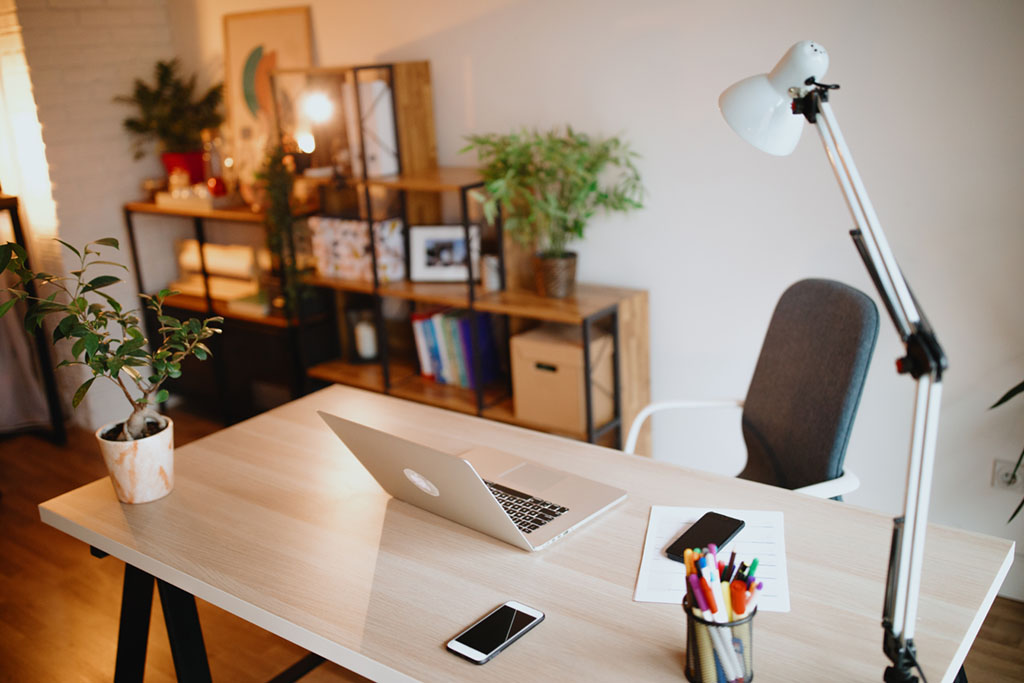
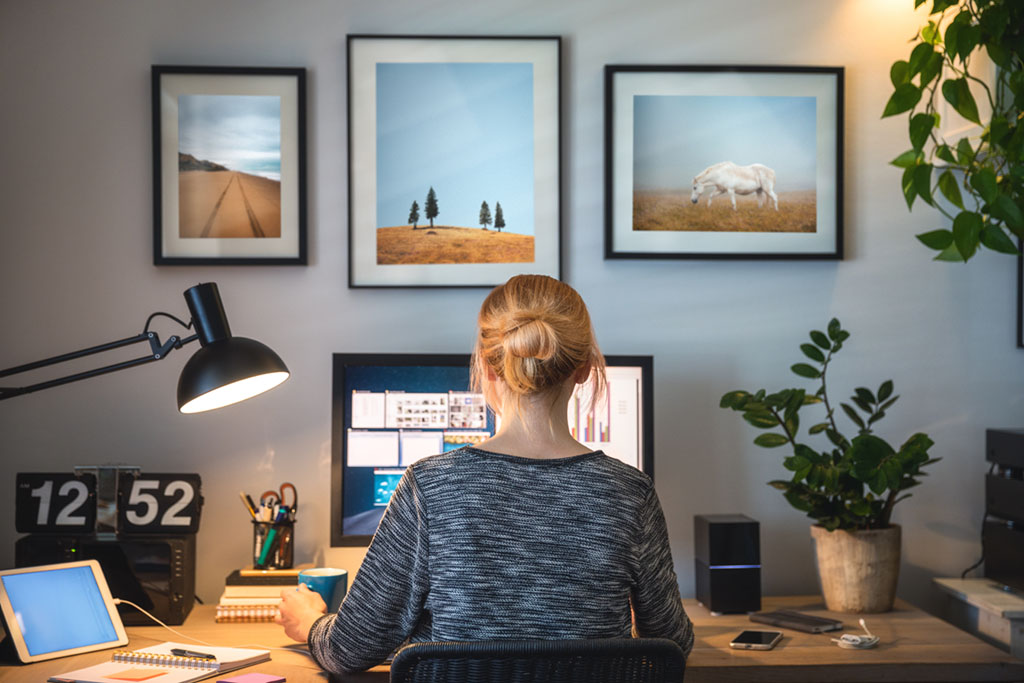
5 Essentials for a Permanent Work-from-Home Space

When the COVID-19 pandemic began, many people found themselves scrambling to create a work-from-home space that satisfied their needs. However, not many people could have predicted these temporary spaces would become permanent.

Although this is not the new normal for every working adult, it certainly is for many. According to a recent survey from Gartner, a research and advisory firm, more than 80 percent of company leaders said they would be comfortable allowing employees to work from home, at least part of the time, on a permanent basis. That number has risen steeply since the pandemic began as employers quickly realized the benefits of a virtual workforce, including reduced costs on office rentals and increased productivity.

So what does this mean for individuals with a nine-to-five office job who now have to figure out a more permanent virtual setup? If you’re feeling overwhelmed, don’t fret. There are plenty of affordable ways to craft a virtual office that’s functional and that can help you comfortably adjust to this new reality.
grandmother and granddaughter using deviceCREATE SOME SEPARATION.
First and foremost, for your work-from-home setup to fuel maximum productivity, it needs to be removed, whether physically or metaphorically, from the rest of your home. If you already have a designated office, try to only conduct work in that room. Resist the urge to use your office for other tasks, and if you work on a laptop, try not to carry it from room to room to do your work.

If you do not have a designated office, placing a physical or mental barrier between your work and play zones is imperative. For example, if your desk is set up in your living room, consider purchasing a room divider. Sites like Amazon and Wayfair have a variety of styles available, so you can find a divider that fits seamlessly with the rest of your room. If you’re not keen on a physical barrier, set mental barriers for yourself during work hours, such as refraining from turning on the television or keeping your phone away from your desk.
grandmother and granddaughter using deviceUP YOUR TECH GAME.

You may not have needed the highest internet speed or a top-notch router before the pandemic, but a proper work-from-home setup requires reliable internet service, and that may mean shelling out for an upgraded system. Fortunately, most internet providers offer plans with a wide array of speed options, so you can find the right match for your needs. If you have a larger home and multiple people online at the same time, you might consider purchasing a second router so you can guarantee a strong internet connection throughout your house.

Aside from a solid internet connection, you’ll want to make sure your computer setup is as close as possible to that in a professional office. Investing in a quality laptop and/or monitor, keyboard, mouse, and mousepad can help your workspace look and feel more professional—and help you look and feel more professional, too. Be sure to check in with your employer about a stipend for your home office supplies, and, depending on your location, you may qualify for tax breaks on these purchases as well

grandmother and granddaughter using device


  1. COMFORT OVER SUBSTANCE.

    It’s not necessary to spend a fortune on a desk and desk chair. What matters most is comfort and that they serve their purpose—helping you get work done. Nowadays, a desk that doubles as a standing desk is a popular option. Sitting all day can cause a whole host of problems for your body, but it can also be burdensome on your mind. Standing upright can help with blood flow, leading to more energy and an improved mood. The typical standing desk will run you anywhere between $40 for a portable model to $500 for a high-tech variety. And most can be converted back into a sitting desk so you can have a standing or sitting option throughout the day.

    A proper desk chair is even more important than a proper desk, so it’s worth the investment if you want to purchase one on the higher-end of the price spectrum. However, there are also plenty of middle-of-the-road and less expensive options, too. Your desk chair needs to be supportive enough to keep you upright yet comfortable enough to get you through an hour-long meeting without straining your back. Look for a chair with ergonomic in its name—meaning it was designed with the human body and comfort in mind. Lumbar and head support are equally important to prevent slouching, especially for taller people.

grandmother and granddaughter using device

DON’T BE AFRAID TO PERSONALIZE.

If the beginning of the pandemic was the first time you ever worked from home, you might have felt wary about making your setup and background the slightest bit personal. Every video call felt like your colleagues could see into your home life, and that’s not necessarily what you wanted. At the same time, a permanent setup should involve a little personalization. After all, if you could have pictures of your family and other knickknacks on your desk at work, why can’t you also have them on your desk at home?

Be mindful of your background and ensure that it is clean and professional-looking. But feel free to fill your workspace with items that make you happy and more productive. Perhaps you want to start your morning with a little motivation? A letter board with changeable pieces can be a fun option to hang above or place on your workspace. Or, if you’re a fan of aromatherapy, using an essential oil diffuser or lighting natural scented candles can help ease you through the day.

grandmother and granddaughter using device

  1. EXTRAS ARE ESSENTIAL.
    In the same vein as personal items, investing in extra odds and ends to make your office space more comfortable and functional isn’t frivolous—it’s a wise choice. For instance, if you have to do a lot of writing for your job, consider purchasing a high-quality notebook and pen set that will make your handcrafted letters or paperwork look and feel more professional. Or, if your job requires you to do a lot of typing, make sure your wrists are protected by investing in a wrist pad to place at the edge of your keyboard. Here are a few other examples of extras you might consider:

    • Cable ties: to prevent wires from impeding the space under your desk.

    • Filing cabinet/bins: to keep important papers and sensitive documents safe.

    • Adjustable desk lamp: to create the perfect lighting for productivity.

    • Blue-light glasses: to prevent eyestrain from excessive screen time.

    •  Noise-canceling headphones: to fuel your focus and inhibit distraction.

Now that many people are working from home on a permanent basis, it’s important that home workspaces are crafted with intention. Use these ideas to ensure that your setup has everything you need to be happy and productive.


Posted in Home Staging Tips
Aug. 5, 2021

Metal Roofs for Beginners


Your roof is one of the most important parts of your house, as problems with your roof can end up causing damage to a variety of other parts of your home. While most people are familiar with shingle roofs when it comes to home roofing options, there are actually a few different roof types available. One that is gaining a significant amount of popularity in recent years is metal roofing, due in part to its extreme durability and resistance to environmental factors that can damage traditional shingles.


Once upon a time, metal roofing was largely made up of flat panels which seemed more at home on businesses or other non-residential structures. The material has come a long way since then, however. Modern metal roofing often mimics the look of shingles or tile roofs, adding a unique beauty to your home while also conveying a number of advantages over other materials.


Advantages of Metal Roofs

There are several benefits to choosing a metal roof. While the full list of advantages will differ depending on the type of metal roof you choose and where you live, here are some of the most common ones:

  • Longevity: Traditional asphalt shingles have a life expectancy of around 10 to 15 years on average, though some may last up to 20 years or more under ideal conditions. Metal roofs, on the other hand, have a life expectancy closer to 70 years.
  • Customizability: When choosing shingles, you’re limited by the color options and layouts that are available at the time of purchase. Metal roofs are often paintable to give you a wider range of options.
  • Fire Resistance: Unlike shingles, metal roofs will not ignite in the event of fire or lightning strikes. And contrary to myths, they do not attract lighting to your home.
  • Energy Efficiency: Because metal roofs reflect UV rays, they tend to stay cooler than other roofing materials during the heat of summer. This can result in less radiant heat buildup, which in turn will reduce your home cooling costs.

Metal roofs also typically contain a significant amount of post-consumer recycled material and can themselves be recycled instead of scrapped once they are replaced. This is a great benefit for those who want to have more control over their environmental impact.

Installing a Metal Roof

When it comes to installing a metal roof, things are a bit more complicated than they are for traditional shingle roofs. The additional work required is worth it, though, as it helps to ensure a leak-free roof that will last for decades.
Most of the time, the existing roof is stripped off completely and the underlying sheathing and flashing are inspected and replaced as needed. Additional plywood or similar materials may also be installed if necessary to provide a firm backing for the metal roof. A waterproofing underlayment is also added to the entire roof deck, along with slip sheets that go between the underlayment and the metal itself so that the metal will be able to move slightly as it expands and contracts.

The roof itself is installed in panels, with polyurethane sealants used to adhere to the metal and allow for movement and expansion as the weather changes. The edges of panels are crimped together to ensure a leak-free fit, providing seams that blend in naturally with the pattern of the roof. Chimneys and other edges are sealed around, and the eaves are capped to prevent water from getting behind the panels at the edges.

Posted in Home Maintenance
Aug. 4, 2021

3 Hot Topics in the Housing Market Right Now

3 Hot Topics in the Housing Market Right Now | MyKCM

If you’re a prospective buyer or seller, it’s important to understand the current real estate market conditions and how they affect you. The Counselors of Real Estate (CRE) just released its Top Ten Issues Affecting Real Estate report. Here are three hot topics from the list and how they impact today’s housing market.

Technology Acceleration and Innovation

The past year ushered in many changes to the real estate industry, especially when it comes to technology. The CRE report elaborates on this:

“Lockdown-driven changes in our work, in the economy, in social structures, and in our personal behavior have pushed our reluctance aside. The acceleration and adoption of technology during the pandemic has impacted everything, and real estate is no exception.

For real estate, innovations like digital documentation, virtual tours, and video chat enable agents to connect with clients no matter their location. These options are ideal for prospective buyers and sellers who aren’t local to the area or those that need the added flexibility signing documents online or doing virtual tours provide. That’s why many trusted real estate advisors will continue to use these technologies moving forward to best serve their clients.

Remote Work and Mobility

Working from home became the reality for many individuals during the pandemic, and the latest list from the CRE identified remote work and mobility as an important influence on the real estate market. As the report notes:

the pandemic universally caused a movement away from urban cores, particularly for those with higher incomes who could afford to move and for lower-income individuals seeking lower costs of living. Most of these relocations remained within their original region—84%—and, while some are returning, it is unknown as to the permanence of these movements or whether they represent a true urban exodus.

With the added mobility remote work offers, where people are moving and where they can ultimately purchase a home is less dependent on a physical office location. This newfound flexibility is giving remote workers the opportunity to move to more affordable areas and buy more homes for their money.

Housing Supply and Affordability

Finally, the limited supply of houses for sale and the related affordability challenges also makes CRE’s list of key factors this year:

“According to the National Association of Realtors®, the state of America’s housing inventory is dire, with a chronic shortage of affordable and available homes needed to support the nation’s population.”

There is good news. Homes are still more affordable than they have been historically thanks to today’s low mortgage rates. And while housing supply is still low, we’re seeing steady increases in the number of homes coming to market, which gives hope to homebuyers. As the supply of homes for sale improves, buyers will have more options.

Bottom Line

New technology, remote work, housing supply, and home affordability are key factors in the housing market right now for both buyers and sellers. If you want to better understand how these topics can impact you, let’s connect today.

Posted in Market Updates
Aug. 3, 2021

Minimalism vs. Maximalism: Which Style Is Right for You?

Ludwig Mies van der Rohe, one of the most renowned modernist architects, popularized the “less is more” philosophy, specifically in regard to architecture and design. Over the past few years, this age-old adage has morphed into a design style known as minimalism. This look draws major influence from Japan and is typically defined as being clean, uncluttered, neutral or monochromatic, and simple, with an emphasis on form, light, and function.

On the other side of the spectrum is maximalism, a “more is more” response to minimalism. Various colors, mixing of fabrics and patterns, decorations, and ornate accessories all contribute to a maximalist design approach.

But is one style better than the other? And how can you incorporate one of these styles—or a blend of both—into your home? Taking a closer look at what each option entails will help you decide which style suits your personal taste.

Minimalism#
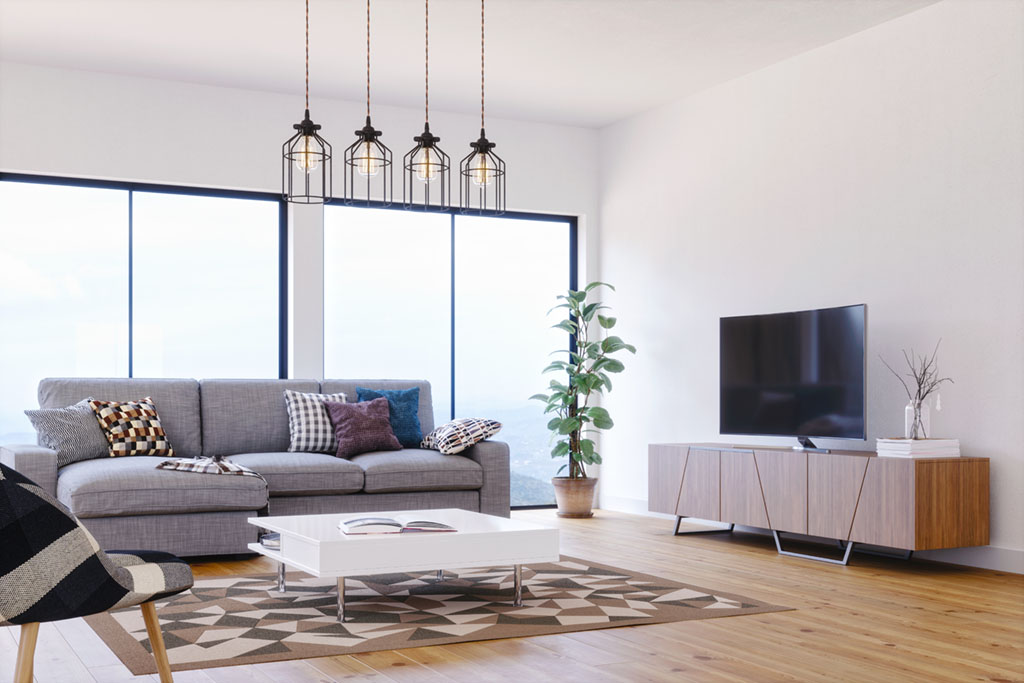
This design aesthetic isn’t as austere as you may think, and it isn’t only comprised of whites, creams, and harsh lines. Minimalism takes a more functional approach to infusing personal touches into the home. You can still have artwork, a centerpiece on the dining room table, and a patterned throw blanket you like. It’s about looking at your space through a more subdued design lens and only keeping items that reflect your personality and serve a purpose.

Kari McIntosh, the founder of San Mateo-based interior design firm Kari McIntosh Design, lends her expertise to this style: “Sift through and ruthlessly purge your personal belongings, and create storage systems for anything you are keeping out of sight. Choose a light, unifying paint color for the home, and focus on clean-lined furnishings with a few large-scale accessories and artwork. The larger the scale, the fewer individual objects are needed. Add something like a meaningful mural in sepia tones as an accent.” It’s also important to keep in mind that a minimalist look doesn’t have to require a complete modern renovation. If the bones of your space are more traditional and historical, you can still achieve a minimalist aesthetic.

To embrace minimalism, you should ask yourself, “How does each piece in this room inform the next?” For example, how does the pop of blue in this throw blanket on the couch flow into the couch itself or the coffee table next to it? Minimalism is about thoughtfulness and intention at its core. Less may be more in terms of decorative items, but when it comes to thinking through the ‘how,’ it’s crucial to make purposeful choices.

Practical Tips for a Minimalist Style:
  • Limit a pop of color to one or two in a room, sticking to a neutral palette overall.

  • Declutter, declutter, declutter. Remove anything that doesn’t bring a sense of serenity to your space.

  • Instead of a gallery wall, choose one or two pieces of artwork as focal points.

  • For cabinetry, drawers, and countertops, avoid jutting handles and unnatural textures. Try stainless steel, quartz, or marble, with elements that don’t poke out.

  • Replace heavy curtains with a sheer material to let more light in.

Maximalism
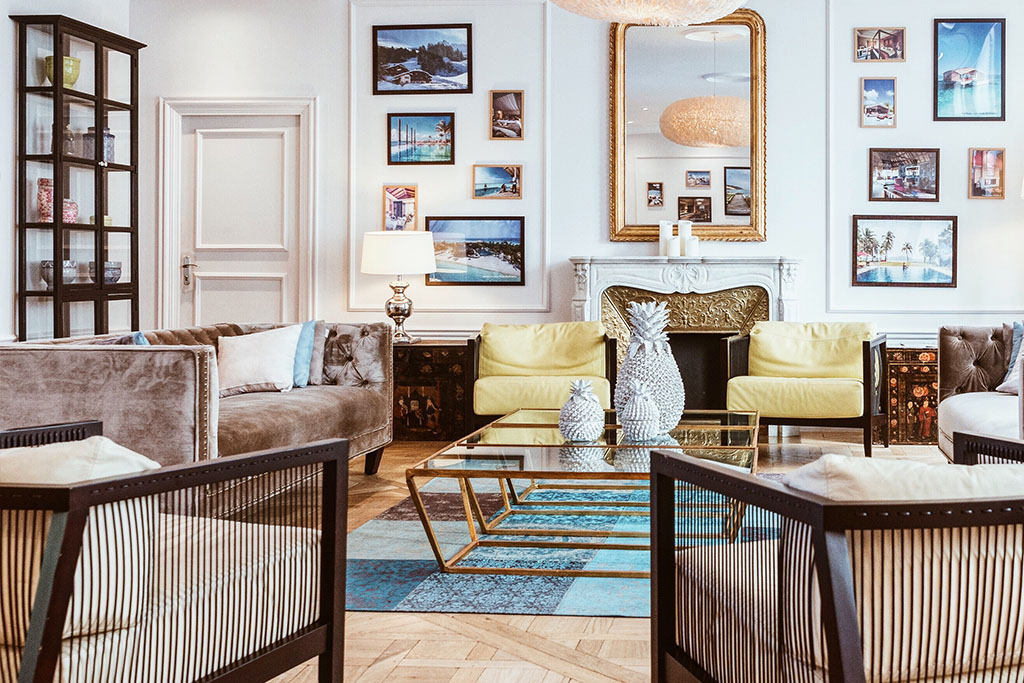
#Some people love variety, bursts of vibrant colors, and pieces of art in every nook and cranny of their home. Maximalism embodies all of those qualities and more.

This extravagant style can be traced back to the 1970s art scene. During this time, artists embraced colors and patterns and took a bolder approach to their medium, which expressed the zeitgeist of that time and set them apart from the minimalistic style of the previous decades.

Unsurprisingly, maximalism floated its way into the interior design realm shortly thereafter. McIntosh, who is partial to this approach to interior decorating, says, “To achieve a maximalist style at home, choose edgy wallpapers that play with scale, color, and shine, and embrace deep, rich colors. Don’t forget the fifth wall (the ceiling) to treat with gilding, wallpaper, or a fun cabana paint stripe.”

The keyword? Fun. Maximalism should evoke a sense of playfulness. Have you been hiding souvenirs in your attic? Dust them off and put them on full display. Can’t decide between yellow paint or a patterned wallpaper for the walls? Maximalism says, “To heck with it. Use both.” McIntosh continues, saying, “Anything in multiples makes a charming statement if it’s gathered on bookshelves or custom framed. Some examples include pottery collections, vintage pennants, or even framed menus from Michelin-starred restaurants. I have done each of these for clients. Add fabric and trims whenever possible through pillows or a draped vintage textile.”

Practical Tips for a Maximalist Style:
    • Floral, abstract, striped, animal or geometric-printed wallpapers are fair game.

    • Layer various textures, colors, patterns, and fabrics.

    • Accessorize with statement pieces, such as stacks of books, antiques, throw pillows of varying patterns, and other eclectic items.

    • Add an assortment of plants. A boho design style is often associated with maximalism for this very reason.

    • Maximalism favors the bold, so don’t be afraid to pull out all your flea market finds or finally buy that leopard print wallpaper you’ve had your eye on. Infusing the space with your personal style will make your artistic expression shine brightly.

Merging the Styles#By themselves, minimalism and maximalism offer strikingly distinct interior design looks. However, keep in mind that they don’t have to be mutually exclusive. Here are just a few ways to incorporate both into your space.
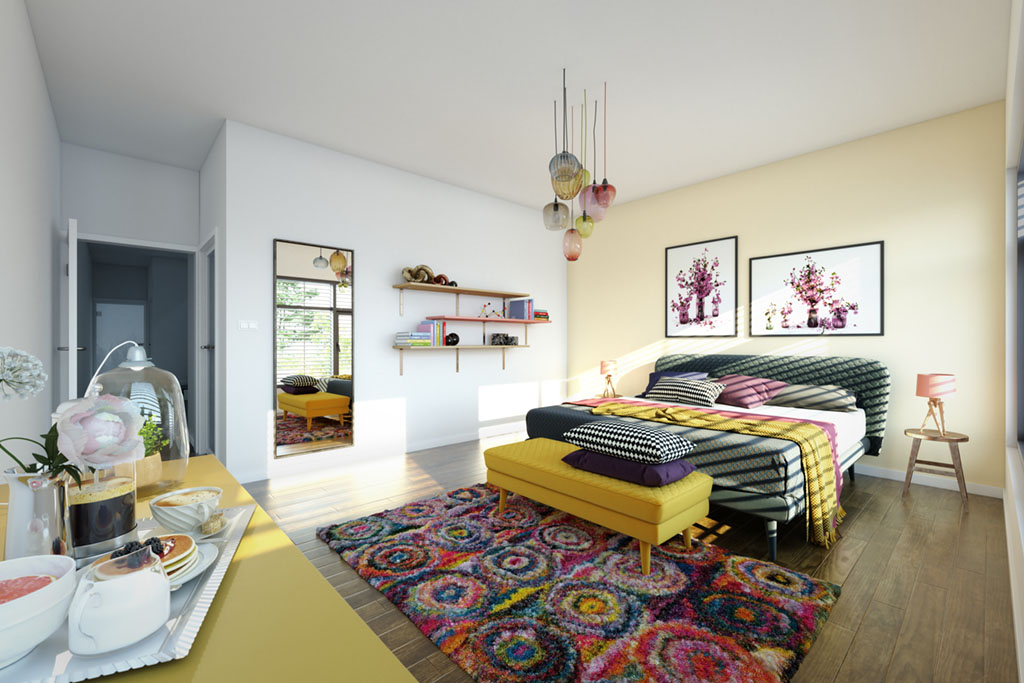
  • Use colorful and bold wallpaper in a bedroom while keeping your living room airy and monochromatic.
      • Layer textures and objects in the same room while sticking to a neutral color palette.

Posted in Home Staging Tips
Aug. 2, 2021

Key Questions To Ask Yourself Before Buying a Home

Key Questions To Ask Yourself Before Buying a Home | MyKCM

Sometimes it can feel like everyone has advice when it comes to buying a home. While your friends and loved ones may have your best interests in mind, they may also be missing crucial information about today’s housing market that you need to make your best decision.

Before you decide whether you’re ready to buy a home, you should know how to answer these three questions.

1. What’s Going on with Home Prices?

Home prices are one factor that directly impacts how much it will cost to buy a home and how much you stand to gain as a homeowner when prices appreciate.

The graph below shows just how much experts are forecasting prices to rise this year:Key Questions To Ask Yourself Before Buying a Home | MyKCMContinued price appreciation is great news for existing homeowners but can pose a significant challenge if you wait to buyUsing these forecasts, you can determine just how much waiting could cost you. If prices increase based on the average of all forecasts (12.46%), a median-priced home that costs $350,000 in January of 2021 will cost an additional $43,610 by the end of the year. What does this mean for you? Put simply, with home prices increasing, the longer you wait, the more it could cost you.

2. Are Today’s Low Mortgage Rates Going To Last?

Another significant factor that should inform your decision is mortgage interest rates. Today’s average rates remain close to record-lows. Much like prices, though, experts forecast rates will rise over the coming months, as the chart below shows:Key Questions To Ask Yourself Before Buying a Home | MyKCMYour monthly mortgage payment can be significantly impacted by even the slightest increase in mortgage rates, which makes the overall cost of the home greater over time when you wait.

3. Why Is Homeownership Important to You?

The final question is a personal one. Before deciding, you’ll need to understand your motivation to buy a home and why homeownership is an important goal for you. The financial benefits of owning a home are often easier to account for than the many emotional ones.

The 2021 National Homeownership Market Survey shows that six of the nine reasons Americans value homeownership are because of how it impacts them on a personal, aspirational level. The survey says homeownership provides:

  • Stability
  • Safety
  • A Sense of Accomplishment
  • A Life Milestone
  • A Stake in the Community
  • Personal Pride

The National Housing & Financial Capability Survey from NeighborWorks America also highlights the emotional benefits of homeownership:Key Questions To Ask Yourself Before Buying a Home | MyKCMClearly, there’s a value to homeownership beyond the many great financial opportunities it provides. It gives homeowners a sense of pride, safety, security, and accomplishment – which impacts their lives and how they feel daily.

Bottom Line

Homeownership is life-changing, and buying a home can positively impact you in so many ways. With any decision this big, it helps to have a trusted advisor by your side each step of the way. If you’re ready to begin your journey toward homeownership, let’s connect to discuss your options and begin your journey.

Posted in Buying Tips
July 30, 2021

Improve Your Home’s Organization!


Organization is an important part of keeping your home clean and tidy. Unfortunately, organization doesn’t always come easy to homeowners. It may be that your home just lacks the storage solutions that you need to effectively organize, or your house simply isn’t large enough to effectively contain all your family’s stuff. Maybe there is enough room, but the way your rooms are laid out makes things a bit difficult. Whatever the reason, you might feel like you’re fighting an uphill battle with organization and that it never lasts as long as you’d like.

There is no one-size-fits-all solution to getting your house organized, but there are some things that might help. Not all of these suggestions are likely to fit your specific situation, but a few might point you in the right direction to start getting a better grip on your home’s organization. Even if the individual suggestions don’t fully apply to your home and its layout, they still might give you ideas that will help you get your home’s excessive disarray under control.

Adjust Your Storage Methods

There are a number of things that you can do to help improve the storage options in your home. Here are a few suggestions:

  • Don’t organize spices or dry goods items based on their names; sort them based on the frequency of use instead. This lets the things that you use most often be near the front of your storage and those things that are less frequently used can go in the back or on a harder-to-reach shelf.
  • Label folders, boxes, and any other long-term storage containers. You should also avoid having a catch-all or miscellaneous option; put things where they go at the start, instead of dealing with an ever-growing pile in need of sorting.
  • Use dividers to improve organization in your drawers, allowing you to store multiple types of items together without causing a significant amount of clutter.
  • Install hooks for coats and set up a container to hold shoes near your main entryway, then make sure that members of your household use both. This will help prevent those shoes, jackets, and coats from ending up strewn all over the house.

It’s also important to note that the solution for running low on storage isn’t to simply buy extra storage containers. If you’re running low on storage space, sort through what’s currently in storage and see if you can pare things down before adding additional storage.

Out With the Old, In With the New

A big cause of clutter and running low on space is buying new and upgraded products while still holding on to the items that they’re replacing. This doesn’t mean that you should only own one jacket or a single purse, of course; it makes sense to have multiples of some items, so long as the older items are still actively being used. If you buy something with the clear intention of replacing something else but that something else is still sticking around unused, though, then there may be a problem.

Electronics are the biggest culprit here; if you get a new phone or tablet, you should sell, donate, or give away the old one instead of sticking it in a drawer to take up space. The same goes with clothes that are damaged or threadbare, purses or backpacks with broken straps or other damage, and all those other items that you tell yourself you’ll get fixed eventually but never do. Go through all your old items that haven’t been touched for 6 months or more and see what you can get rid of. You should also get in the habit of prepping old items for donation soon after picking up a newer model.


Posted in Home Staging Tips