Area Real Estate News & Market Trends

You’ll find our blog to be a wealth of information, covering everything from local market statistics and home values to community happenings. That’s because we care about the community and want to help you find your place in it. Please reach out if you have any questions at all. We’d love to talk with you!

June 18, 2021

Why This Is Not Like 2008 Again

Why This Is Not Like 2008 Again | MyKCM

During the Great Recession, just over a decade ago, the financial systems the world depended on started to collapse. It created a panic that drove some large companies out of business (ex. Lehman Brothers) and many more into bankruptcy.

The financial crisis that accompanied the current pandemic caused hardship to certain industries and hurt many small businesses. However, it hasn’t rattled the world economy. It seems that a year later, things are slowly getting back to normal for many companies.

Why is there a drastic difference between 2008 and now?

In a post from RealtyTrac, they explain:

“We changed the rules. We told banks they needed more reserves and that they could no longer underwrite toxic mortgages. It turns out that regulation — properly done — can help us navigate financial minefields.”

Here are the results of that regulation, captured in a graph depicting the number of failed banks since 2007.Why This Is Not Like 2008 Again | MyKCM

What was different this time?

The post mentioned above explains:

“In 2008 the government saw the foreclosure meltdown as a top-down problem and set aside $700 billion for banks under the Troubled Asset Relief Program (TARP). Not all of the $700 billion was used, but the important point is that the government did not act with equal fervor to help flailing homeowners, millions of whom lost their homes to foreclosures and short sales.

This time around the government forcefully moved to help ordinary citizens. Working from the bottom-up, an estimated $5.3 trillion went to the public in 2020 through such mechanisms as the Paycheck Protection Program (PPP), expanded unemployment benefits, tax incentives, and help for local governments. So far this year we have the $1.9 billion American Rescue Plan with millions of $1,400 checks as well as proposals to spend trillions more on infrastructure…Bank deposits increased by nearly $2 trillion during the past year and credit card debt fell.”

Bottom Line

Many have suffered over the past year. However, the economic toll of the current recession was nowhere near the scope of the Great Recession, and it won’t result in a housing crisis.

Posted in Market Updates
June 17, 2021

How Do You Use a Bug Zapper?

To get this out there, there’s very little chance that you don’t know what a bug zapper is. There’s also at least a chance that you’ve never actually used one in real life and have just seen them used in a cartoon, movie, or TV show. Bug zappers have all but become a part of pop culture, usually indicating that a character lives in a very rural setting and more often than not comes from the poorer side of the tracks. So let’s get rid of that mental image right off the bat because bug zappers are actually very useful tools that can make your home and yard a bit more comfortable as bugs that bite are out looking for a nibble in the heat of summer.

How Bug Zappers Work

While the “zap” in the name gives away a large part of how bug zappers work, the system is a bit more complex than just tossing out some voltage and killing wayward bugs. Inside the average bug zapper is an ultraviolet light source, which depending on the model of the zapper could be a light bulb, a fluorescent light tube, or even UV LEDs. It’s this light source that attracts insects to the device, causing them to fly in between a grid of wires in hopes of reaching the light within. This is where the zap comes in; the grid contains electrified wires that provide a small shock to any insects that fly inside, killing them and causing them to drop onto a removable tray for easy cleanup.

It’s important to keep in mind that this is just a general description of how they work, of course; different models may have additional features such as scent or pheromone cartridges designed to attract specific types of insects. There also may be some differences in design between bug zappers intended for indoor use and those designed to use outside. Some small units may even be battery-powered or built into the form factor of a flyswatter to make killing specific insect pests easier.

Placing Bug Zappers

For stationary bug zappers, there are two main types: Indoor units and outdoor units. Indoor bug zappers are typically only needed in residential homes if you have problems with bugs in certain areas (such as flies in the kitchen or flying bugs coming in through sliding doors in the summer.) If that’s the case, a bug zapper can be placed around the area where you have the largest problem or near the most obvious entry point.

Outdoor bug zappers are much more commonly used by homeowners, especially during the summer when everyone wants to spend time outdoors. The best locations to place bug zappers outdoors are typically around the edges of the area where you plan to spend time, such as the outskirts of a pool or play area so that insects will be drawn to the zappers instead of the people within that perimeter. It can also be beneficial to place a bug zapper near outdoor tables where you’ll be serving food, just so long as it’s far enough away that wayward zapped bugs won’t fall out and land on the table. Garden hangers and shepherd’s hooks can be used to hold up the bug zapper units wherever you place them.

Bug Zapper Safety

Because bug zappers use electricity, keep in mind that you’re likely going to need extension cords to provide them with the juice they need. This means that you’ll need cords that are rated for outdoor use, as well as a grounded outdoor outlet to plug them into. It’s also important that the zappers are mounted in such a way that pets or children aren’t going to grab them; even though bug zappers don’t provide enough of a zap to be dangerous to people or pets, it could still hurt or startle them and cause them to knock the bug zapper over (which could then hit someone or become a tripping hazard.)

Posted in Home Keppr
June 16, 2021

Why You May Want To Cash in on Your Second Home

Why You May Want To Cash in on Your Second Home | MyKCM

When stay-at-home mandates were enforced last year, many households realized their homes didn’t really fulfill their new lifestyle needs. An office (in some cases two), a media room, space for children to learn, a gym, and a large yard are all examples of amenities that became highly desirable almost overnight.

Zelman & Associates recently reported that sales of primary residences grew by 9% in 2020. That increase in demand was met by the lowest supply of homes for sale in history. High demand and low supply caused prices to skyrocket over the past twelve months. Here are three home price indexes released most recently that show how home values have risen:

Prices increased by double digits in every region of the country and in 19 of 20 major metros. Chicago was the only exception, where prices still rose by 9%.

What does this mean to those who purchased a second home during the pandemic?

Many people didn’t want to give up a home in the city or close to their office. Instead, they purchased a larger second home farther away and moved there to stay safe and have more space. According to the same Zelman report, sales for second homes rose an astonishing 27% in 2020.

That large second-home retreat on a lake or in the mountains would demand a higher price than the average house. Let’s assume a buyer purchased such a home for $500,000. Assuming the middle 13.2% appreciation shown above, that home would now be worth about $566,000.

Those who bought second homes to improve their lifestyle during the height of the pandemic, or those who just wanted to be in a safer environment, also made a great investment.

What should these homeowners do now as the pandemic is receding, and the economy is reopening?

The buyers of those second homes now have a decision to make. Many will move back to the original home they still own (the one that’s closer to work, friends, and family). Should they keep the second home? That could depend on answers to questions like these:

  • Now that you may have to go back to the office (at least a few days a week) and students are required to physically attend school, would you still use the second house enough to warrant the expenses of an additional home?
  • Would you go to the second home on most weekends, or would you return to the movie theater, attend sporting events, eat out at fine restaurants, or spend your time traveling again?

Bottom Line

If you purchased a larger second home during the pandemic, you were able to make day-to-day life much easier for those important to you. You also made it much safer. However, with those goals already accomplished, you now need to decide whether to continue paying the extra expenses or sell the house and cash in your profit. If you decide selling makes sense, let’s connect today to discuss the value of your second home.

Posted in Buying Tips
June 15, 2021

Summer Sun Safety

We seem to have a love-hate relationship with the sun: we can’t survive without the welcoming embrace of its warmth, and yet it can also burn us—both literally and figuratively. This is especially true during summer. Millions of people love basking in the season’s heat and working on the healthy glow of their summer tan.

Enjoying the heat is one thing, but thinking that glow—or the hours spent in the sun to get it—is healthy? Not so fast. Sweltering heat can severely impact our health in many ways, from sunburn to heatstroke.

But that doesn’t mean you can’t enjoy all that summer offers, as long as you’re smart about it. Fortunately, there are many easy ways to protect yourself and your loved ones so you can stay safe and focus on your fun in the sun.

Cover Up

grandmother and granddaughter using deviceThe surgeon general notes that approximately one in three Americans get sunburned every year, and that takes a toll. A mere five sunburns double your risk of melanoma, per the Skin Cancer Foundation, so covering up is a must.
A tried-and-true method of blocking the sun is to simply put a barrier between it and your skin. Some easy ways to do this include staying in the shade as much as possible, and wearing sunglasses and a wide-brimmed hat to keep the sun’s rays from hitting your face and neck areas, which tend to be more susceptible to sun damage.

In addition, some companies, such as Speedo and AmberNoon, have enhanced the sun-protection options available in recent years by making UV-blocking clothes, including swimwear, cover-ups, and casual clothing aimed at stylishly covering you from head to toe.

Lotion Up

#When it comes to sun protection, some people cover up as much as possible, while others prefer to use lotions or sprays. If you fall into the latter camp, be extra careful with what, how, and when you apply—it can make all the difference in avoiding sunburn. These tips can help.

ALL ABOARD.
It doesn’t matter if you swear that you “never burn.” The true effects of your burn may not be felt until much later in life. Everyone—regardless of age, gender, or race—should use sunscreen to combat the sun’s ultraviolet rays.

KNOW YOUR STUFF.
To maximize your protection, look for broad-spectrum sunscreen (which protects against both UVA and UVB rays) that is water-resistant and has an SPF 30 rating or higher.

BE AN EVERYDAY PERSON.
Simply put, use sunscreen anytime you plan to stay outside during the summer, whether it’s for fifteen minutes or five hours (and if you use moisturizer, opt for one that contains sunscreen). UV rays can surprise you with a burn on both cloudy days and 70-degree days, and elements like sand, snow, and water can reflect the sun’s rays and increase their impact.

USE CAUTION.
Apply the sunscreen fifteen minutes before you go out so your skin can absorb it. And keep the tube handy: you’ll want to reapply every ninety minutes (if you’re wet or sweating) for two hours. If you choose a spray sunscreen, make sure to apply it evenly—it’s more difficult to get full coverage with sprays, especially on a breezy day.

Heal Up

#You tried your best, and you still got sunburned. Don’t fret. Fortunately, there are plenty of readily available balms that can provide relief. The downside? Again, the potential chemicals, whether you use a cream or spray. So before you purchase one, make sure to read the ingredient list.

Better yet, you can whip together your very own soothing aloe vera salves at home using natural ingredients, which can provide instant relief and promote skin healing.

ALOE VERA CUBES
Simply fill an ice-cube tray with aloe vera gel, and pop it into the freezer. They will not only bring you quick at-home relief but also ensure that you’ll be more conscientious about sunscreen the next time around!

Cool It Down
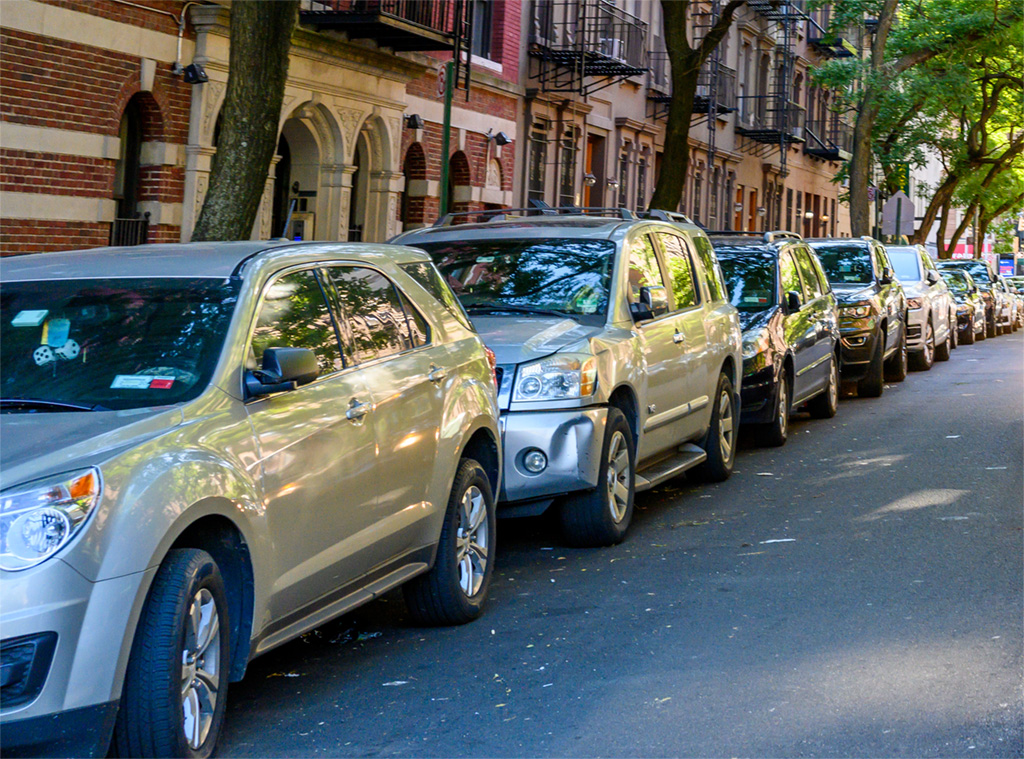
#In certain situations, people can make the mistake of equating “out of the sun” with “safe,” and that’s particularly true in your vehicle. If you leave it sitting in the hot sun for hours on end, you may be in for a rude (and dangerous) awakening as soon as you open the door—internal temperatures can reach 120°F or higher. 

This is a situation where necessity is the mother of invention. With a little forethought and creativity, you can prevent being greeted by burning-hot seats and oppressively hot air. 

MADE IN THE SHADE.
This is everyone’s clear first choice when it comes to prevention. If possible, park under a tree, but make sure to account for how the sun will move while you’re parked—what’s shaded at first could get a direct hit of the sun by the time you return. The best option? Find a garage, if one is available.

If your parking lot has no shade at all, come prepared with your own by utilizing a windshield shade or side shades, or cover your seats and steering wheel with towels. This is especially true with heat-absorbing, burn-inducing leather seats (which can easily reach over 160°F) and black interiors.

A CRACK-UP.
One of the easiest ways to quickly build up heat in your vehicle is to keep your windows sealed tight. Weather permitting, crack the windows an inch or so to allow airflow.

FAN THE “FLAMES” AWAY.
Roll down one of the front windows completely, and open the door on the opposite side. Quickly push the door back and forth until it’s almost closed, and repeat the process a few times (but not too many, as you’ll overheat yourself).

  • THE AC ANTIDOTE.
    When things are this hot, you want relief now. Resist the urge to crank the up air as soon as you turn the key, though, since your car’s vents are filled with that same hot air and pulling in more from the outside. Choose the foot vent option to begin, and when the temperatures moderate, switch to the front-facing ones.

  • Help keep your friends and family safe this summer by sharing these tips
Posted in Market News
June 14, 2021

Have Your Day in the Sun by Moving Up This Summer [INFOGRAPHIC]

Have Your Day in the Sun by Moving Up This Summer [INFOGRAPHIC] | MyKCM

Some Highlights

  • Longer days and sunny weather mean summer is upon us, and what better conditions than right now to upgrade to the home of your dreams?
  • If your needs have changed, it’s a great time to upgrade – there’s likely high demand for your current house, and today’s low mortgage rates can help you afford your dream home.
  • If you’re ready to upgrade to a home that matches your changing needs, let’s connect today.
Posted in Home Staging Tips
June 13, 2021

Top Reasons To Own Your Home [INFOGRAPHIC]

Top Reasons To Own Your Home [INFOGRAPHIC] | MyKCM

Some Highlights

  • June is National Homeownership Month, and it’s a great time to consider the benefits of owning your own home.
  • If you’re thinking of buying a home, it might just help you find the stability, community, and comfort you’ve been searching for over the past year.
  • Let’s connect today to determine if homeownership is the right next step for you.
Posted in Buying Tips
June 12, 2021

Get Your Ducts in a Row!

Do you ever ponder your floor joists? Or give serious considerations to the cladding under your siding? Of course not! There are parts of your home that just work, and you never have to really do anything about them. Although ductwork seems like one of those out-of-sight, out-of-mind things, it’s actually one that you should look into now and again.

Dirty Ducts Spew Dirt Cheap

Sure, you change your furnace filter religiously, as you should, but that doesn’t mean that the dust in your house is taken care of. Over time, ductwork collects dirt too, especially when your vents are on the floor. The filter can only catch the dirt that goes into it; it can’t do much for dirt that settles in ductwork through open vents. Over time your ductwork can get pretty dirty, despite your best efforts.

What happens when you get dirty ducts? Well, you have a dirty house. All that free-floating dust, pet hair, loose skin cells, and other bits of tiny debris can and do land inside your vents, which allows them to blow even further into your ducts. Not to mention the trash and other objects that can easily slip through a vent grate to be lost forever. The older your home, the more layers of dirt can pile up in your ventilation system.

Allergens Hiding in Your Ductwork

Knowing someone else’s dirt is blowing back at you from your vents is bad enough, but did you know that layers of allergens can also take up residence in dirty ducts? Sure, the last owner’s cat is long gone, but his dander may still be inside the ductwork, blowing out every time you kick on the heat or air, along with generations of pollen, dust mites, mold spores, and other potential sources of severe allergic reactions. Ducts seem so harmless until you consider that they’re really receptacles. Air moves through them, but there’s no seal to keep other things from moving back inside. They’re a hidden source of dirt and stress for so many homeowners.

What Can I Do About Dirty Ducts?

You have a few options when it comes to dirty ductwork. The first, and easiest, is to get your ducts cleaned by a professional. They use special tools to agitate the ducts and create negative pressure to suck the dirt right out, never to be seen again. When the cleaning is finished, you’ve got ducts that are almost as good as new, and you can continue to maintain them by frequently vacuuming inside your vents and grates to help reduce the dirt that moves deeper into the ductwork.

Your other option would be to go ductless. Although this is kind of a big job, you could switch your HVAC system over to one that has no ductwork, such as something utilizing electric baseboards or ductless mini-split systems, depending on your local climate. An HVAC expert can guide you through what’s involved in eliminating or redesigning the ductwork in your home if your allergies are particularly problematic or your ducts are creating other issues. You can still have climate control without ducts!

Posted in Home Keppr
June 11, 2021

HVAC Hacks for High Ceilings

Many people like homes with high ceilings because of the spaciousness they convey and the vertical space they provide for hangings, artwork, and a variety of other items. There are a few drawbacks to high ceilings, though, and one significant one is how difficult they can make heating and cooling your home. If you aren’t careful, those high ceilings that look so nice can result in a significant increase in your heating and cooling costs when compared to similar homes with lower ceilings. This doesn’t mean that you’re doomed to spend a lot on heating and cooling, however; there are a few things that you can do to make your HVAC system more efficient in your home even if you do have high ceilings.


Improve Air Circulation

One big thing that you can do is to get the air in your home moving by using ceiling fans or other types of fans. Even though the fans won’t heat or cool the air on their own, they do move the hot or cold air around to provide a more comfortable environment overall. This can be especially important during the hottest parts of summer and the coldest parts of winter, as in both instances fans keep hot air from collecting up high and cool air from staying too low for you to really enjoy.

A whole-house fan can help in this regard as well, especially in the heat of summer. This type of fan will remove the hottest air from your home, which keeps your attic from heating up the rest of the house or trapping warm air. Once the days start cooling down, the fan can then be shut off and insulated to keep warm air from escaping.

Make Use of the System Fan

Most people keep their HVAC system on automatic, which uses the system fan to circulate air while the air conditioning or heater is on and then shuts it off afterward. Just like with ceiling fans, though, the system fan can help to circulate air even when the unit isn’t actively heating or cooling the air. This circulation helps to eliminate stagnant, still air that can seem uncomfortable regardless of the temperature you’re shooting for.

Turning on the system fan can be useful throughout the year, but it’s especially useful during the summer when it’s coolest near the floors. HVAC registers at the floor level will move that cool air higher into your home. The added air circulation also provides some benefit in winter too, helping to get heat out from around the high ceilings and down into the rest of the house. During the milder spring and fall, you can enjoy the added air circulation if you wish or simply switch the fan back to auto.

Posted in Home Keppr
June 10, 2021

Dreaming of a Bigger Home? Why Not Buy It This Year?

Dreaming of a Bigger Home? Why Not Buy It This Year? | MyKCM

Are you clamoring for extra rooms or a more functional floorplan in your house? Maybe it’s time to make a move. If you’ll be able to work remotely for the long-term or your overall needs have simply changed, it’s a great time to sell your house and move up. Why? With mortgage rates in their favor and higher-priced home sales powering more moves across the country, sellers in today’s market are finding the space they need (and have always dreamed of) by purchasing a home in the upper end of the housing market.

With so few homes available for sale and high demand from today’s homebuyers, sellers are profiting in major ways this season. Bidding wars are gaining traction, driving up the sale price of more and more homes throughout the country. This means sellers are able to leverage extra cash from higher-priced sales while also taking advantage of today’s low mortgage rates when they purchase their next home. It’s the perfect scenario to move up into a true dream home. According to the April Luxury Market Report from the Institute for Luxury Home Marketing:

“The Institute’s recent analysis of sales in 2020 for homes over 5,000 square feet support the continuing preference for larger homes. The analysis determined that there was a 17% increase in the number of 5,000+ sq ft homes sold when compared to the number of sales in 2019.

Luxury home prices continue to see record highs in the majority of affluent ex-urban communities, as the influence of being able to work from home is still driving buyers away from living in high density areas. Low interest rates also remain in play, allowing buyers to realize the affordability of owning a larger property, which further reinforces this trend.”

Lawrence Yun, Chief Economist for the National Association of Realtors (NAR), also explains:

“The market is hot pretty much everywhere and across all price points . . . The only area where there is sufficient inventory is in $1 million-plus homes . . . .”

While this price range certainly doesn’t fit every budget, if it’s in your reach this summer, you may want to make your move sooner rather than later. Today, more homes are available in this segment of the market, but as the report mentions, more buyers are investing here too, so the competition may heat up sooner rather than later.

Bottom Line

If you’re planning to sell your current home to move into a larger one, let’s connect today. We’ll discuss your current situation and the opportunities in our local market.

Posted in Buying Tips
June 9, 2021

How Much Paint Do I Need?

Paint, paint, glorious paint! It’s one of the least expensive materials you can buy for your house that delivers one of the biggest visual punches. It also fixes a myriad of problems. Got a tired exterior? Paint. The interior of your home feels like it’s closing in on you? Paint. Bought a couch that you love, but clashes with everything else? PAINT.

In all seriousness, paint is a great way to brighten, enliven, and give your home a serious facelift – inside and out. But once you’ve picked a color, what comes next? How do you choose the right paint and actually buy the right amount for your project?

Choosing Your Perfect Paint

Choosing paint can be overwhelming. There are always a variety of grades and characteristics to choose among, leaving a lot of people very confused and frustrated. Here are a few things to watch out for when picking your paint:

  • Composition. There are other options for paint, but for most homeowners, the biggest choice is between latex and oil. Latex paint offers easy clean-up, but can be slightly soft when fully cured, making it a poor choice for high traffic areas. On the other hand, oil is far more difficult to clean up, but will pretty much go over anything and harden much better to handle years and years of abuse.
  • Sheen. Your walls are your own, and only you can decide just how shiny they should be. When you’re choosing your paint sheen, it might feel like a no-brainer to go with the shiniest paint out there, but take a moment and consider that glossy paint shows a lot of sins, and few houses are really perfect. So if your walls or other surfaces are less than perfect, the flaws could stand out badly. On the other hand, something like eggshells hides a lot of sins, but can be extremely difficult to clean, should it get dirty.
  • Durability. Paint is painted, right? Sadly, not even remotely. There are paints that start around $20 a gallon and there are paints that could be four times as much. Both are priced the way they are because of the different characteristics they possess, but durability is a huge factor in the pricing. Cheap paint is just that: cheap. It’s generally not meant to last very long, which will leave you having to redo it again soon. On the other hand, top-of-the-line paint is likely impregnated with UV-resistant materials, weather-resistant chemicals, and other fancy stuff to keep your paint looking good for longer.
  • Coats to Coverage. Most paints will tell you how many coats it’ll take to cover your wall (generally assuming you’ve properly primed first). This is really important information when it comes to figuring out how much paint you need. One coat coverage from a $50 gallon of paint is often still cheaper than three-coat coverage from a $20 gallon.
  • Doing the Paint Math

    As far as how to calculate your paint needs, it’s important to keep in mind that you’re definitely going to have some loss to waste, so your calculations are really more like estimates. Painting isn’t a precise science; it’s more of an art, and how much paint ends up being used is influenced by your tools and techniques, as well as the paint and walls themselves.

    To calculate your paint needs, simply multiply your surface height by its length, in feet. So, if you’re painting a 10 foot by 20-foot wall, you’d need coverage for 200 square feet. Check the paint you’re interested in to see how many feet the bucket should cover and in how many coats. A lot of paint gallons cover approximately 250 square feet, which would be great for your first coat on this wall.

    If you need two or more coats, you’ll need two or more times that much paint. It’s better to round up than down since you’re almost certainly going to find spots you want to touch up later. Plus, if your paint is custom tinted, you’re going to get a much better match if it’s all done together. Even in the age of computerized paint mixing, you can still end up with a day when the machine is feeling a bit off.

Posted in Home Maintenance