Area Real Estate News & Market Trends

You’ll find our blog to be a wealth of information, covering everything from local market statistics and home values to community happenings. That’s because we care about the community and want to help you find your place in it. Please reach out if you have any questions at all. We’d love to talk with you!

March 29, 2021

Preparing for the 2021 Spring Market

March of 2020 saw the new spring market grind to a halt as COVID-related shutdowns and fear swept the country. Subsequently, real estate agents and brokers developed new and innovative ways to serve clients in the process of buying and selling their homes, paving the way for one of the most active and extended market recoveries in recent memory.

Now, as the 2021 spring market gears up, it’s a good time to think through your preparations to ensure that you are ready for what lies ahead. In many areas, activity really never slowed down, so spring seems like an extension of 2020. In other markets, there has been a clear holiday lull, but eager buyers are ready to get back out there and restart the search for their dream homes.

As you prepare, here are the things you need to know to make the most of what promises to be an exciting spring selling season.

man typing on laptop at cafeTechnology is still essential

The adoption of new platforms and processes allowed real estate professionals to continue to serve their clients throughout the darkest days of the pandemic. For many clients, there is still an expectation that virtual tours and contact-free transaction management will be widely available.

While some markets have seen successful vaccine rollouts, others are still limited in the amount of contact they’re allowed. Make sure you are making the most of your online and mobile platforms to simplify and streamline transactions and provide optimal client service.

Low home inventory continues

While some homeowners are motivated by rising home values in their area, others who are looking to sell and then buy are holding on to their current homes and waiting for a more buyer-friendly market. This is a good time to explore new home communities as an option for hopeful buyers while you ramp up your geographic farming to identify potential sellers in your area.

woman typing on phone while at laptopAdjust marketing messaging

If you have been more focused on buyer marketing, this is a good time to reach out to sellers as well. You may want to update your website copy and social media platforms to acknowledge the current market realities and how you are positioned to meet client challenges. In addition, you may want to market your expertise in a particular niche to make your messaging more targeted and effective.

Focus on underserved markets

If downtown areas in your market have taken a beating or multifamily condominium and co-op developments have seen a mass exodus, these may be exactly the areas you need to focus on. As frustrated buyers give up on finding homes in the suburbs, they may be looking for opportunities to purchase elsewhere. Also, as vaccines take effect, many areas that have been struggling may be in demand again.

two men shaking handsPrepare for negotiations and multiple offers

Many buyers have hit a wall with scores of rejected offers and the frustration that comes with dashed hopes. In addition, sellers may be reluctant to negotiate even minor points in the face of multiple offers over asking price. Hone your negotiation skills through a program like NAR’s Real Estate Negotiation Expert (RENE) certification to enhance your reputation and improve your track record.

Upgrade offer presentations

This is no time to send a messy handwritten offer in random order to a listing agent who is fielding multiple offers. Make sure that your paperwork is attractively presented with the most important information upfront. Include the highlights of the offer in the email, and don’t forget to attach all the required supporting documents. While buyer letters have gone out of fashion in some areas, they may be a great idea in the current, highly competitive environment.

man in flannel and hardhat with arms crossedFind backup for service providers

Everything has to move fast in a hot market and you don’t always have time to wait for your favorite lender, home inspector, or closing officer to call you back. Have a backup service provider for every aspect of the home sale or purchase process. That way, if you need to engage someone quickly, you’ll always have a variety of colleagues to choose from.

Prepare for another extended season

In many areas, the COVID-19 vaccine will not be widely available until summer. With interest rates continuing to stay low, record-high home prices in many markets, and a steady stream of disappointed home buyers left over from 2020, as well as this year’s spring market, we may see another longer than usual real estate season. Continue to market past spring with the expectation that inventory will start to rise as homeowners become more confident in their ability to find their next home.

couple leaning on box in new homeHelp homeowners prepare for the future

Record high home prices have resulted in record levels of equity for the nation’s homeowners. If they are not currently ready to sell, reach out to homeowners in your sphere to discuss updated home valuations and value-added home improvements that can set them up for a successful sale down the road. By keeping up with their long-term plans and goals, you’ll be better positioned to serve them when they are ready to list with you.

Think ahead

The spring market is always an exciting time for real estate agents, and this one promises to be more exciting than most. Ensure more successful outcomes by being proactive and creating systems and processes to streamline marketing, communication, and operations. Don’t put off improvements, training, and new initiatives. The better you use this time, the more prepared you’ll be for the challenges and opportunities waiting for you this spring and beyond.

Posted in Home Staging Tips
March 26, 2021

A Refresh for Your Finances

When spring rolls around, your thoughts might turn to organizing your closets or giving your floors a good, deep clean. But how much thought have you given to cleaning up your finances? If the answer is “not much,” you might want to reconsider.

Spring is a great in-between time of year to take stock of your financial health and to create goals for the rest of the year—or to plan for the years ahead.

But before you dive headfirst into any new financial plan, you need to take a look at the current state of your finances. Are they where you want them to be? Have you had trouble putting enough away to account for the unexpected? The steps below can help you get started.#STEP 1: WRITE IT ALL DOWN.
A coffee here, a new pair of shoes there; when you go about your life as usual, you don’t typically think about how much you’re spending. But even small purchases on a frequent basis can add up. Take a month to jot down or create a digital spreadsheet of all your expenses, including mortgage or rent payments, utility bills, groceries, subscription services, and miscellaneous expenditures. When you are able to see a month’s worth of spending in front of you, it becomes easier to determine which are necessary and which areas you can cut back on.

STEP 2: ESTABLISH A BUDGET.
Once you have an estimate of how much you are spending each month, set up a budget that fits your lifestyle and goals. You can break your budget into areas such as housing and utilities, food and personal care items, childcare, memberships, and miscellaneous. If you’ve tried budgeting in the past to no avail, start small. You don’t have to create a budget for all areas of your life at one time. Try setting up a budget for just one or two areas. Perhaps you want to spend less on subscriptions and memberships that you don’t use. A $30 gym membership might not sound like a lot of money to shell out each month, but that adds up to $360 a year! Be realistic about how much you are willing to spend on nonessentials, and consider looking for less expensive alternatives.
#

  • STEP 3: EVALUATE AND PAY DOWN.
    Credit is a necessary evil, but it doesn’t have to be nearly as big a headache as it is made out to be. Of course, some credit is good. Showcasing your ability to make timely payments to creditors is imperative for everything from buying a house to starting a business, but it’s easy to get in over your head. If you have multiple lines of credit, look carefully at the interest rates and amount borrowed on each. Start by paying down the cards with the highest amount of interest, which can quickly accrue and leave you even more in the hole.

    Be realistic with your time frame for paying off debt. If you attempt to bite off more than you can chew, you can end up in worse shape than when you began. Do some research into your credit companies’ policies and see if they will work with you toward a lower interest rate or a reasonable payment plan. Once you’ve made progress in paying off any outstanding balances, make sure you remain in the black by setting up limits for yourself. Compare your credit limit, which is oftentimes far higher than what you can reasonably afford to pay off each month, with your monthly income and make sure you do not break the threshold you establish. If this sounds easier said than done, try to leave your credit cards at home unless you absolutely need them, or use them for smaller purchases that you can pay off more easily.

Take Advantage of Apps

There truly is an app for everything these days, including managing your finances. While apps cannot replace the expertise of a professional, they are a great way to plan, budget, and keep track of your savings on a daily, weekly, and monthly basis.#

  • MINT
    If you’re tired of having to look through multiple accounts to keep track of your spending, the Mint app is perfect for you. The app logs everything: the total amount of money you have across all your accounts, your credit score, and your debt. Its calendar function can show you when your bills are due and how much you owe and lets you check off payments once they’re made. The best part? Mint is totally free.

  • SPENDEE
    Visual learners, look no further than Spendee for your financial-planning needs. This app provides a visual breakdown of your spending, allowing you to more easily see the areas you might want to cut back on. It connects to your bank account to provide a list view of your payments, and it can even show the average of your expenses as well as the day of the week you tend to spend the most.

Whether you want to save a few extra dollars each month or plan for a life-changing purchase like a new home, a little cleanup of your finances can go a long way. Just be sure to consult a professional for your specific financial needs.

Share this financial spring-cleaning guide with friends and family


Posted in Buying Tips
March 25, 2021

What Is the Strongest Tailwind to Today’s Recovering Economy?

What Is the Strongest Tailwind to Today’s Recovering Economy? | MyKCM

Last year started off with a bang. Unemployment was under 4%, forecasters were giddy with their projections for the economy, and the residential housing market had the strongest January and February activity in over a decade.

Then came the announcement on March 11, 2020, from the World Health Organization declaring COVID-19 a worldwide pandemic. Two days later, the White House declared it a national emergency. Businesses and schools were forced to close, shelter-in-place mandates were enacted, and the economy came to a screeching halt. As a result, unemployment in this country skyrocketed to 14.9%.

A year later, the economy is recovering, and the U.S. has regained more than half of the jobs that were originally lost. However, some businesses are still closed, and many schools are still struggling to reopen. Despite the past and current challenges, there is one industry that’s proven to be a tailwind helping to counter all of these headwinds to our economy. That industry is housing. Remarkably, the residential real estate market (including existing homes and new construction) has flourished over the last twelve months. Sales are up, prices are appreciating, and more new homes are being built. The housing market has been a pillar of strength in an otherwise slowly recovering economy.

How does the real estate market help the economy?

At the beginning of the pandemic, the National Association of Realtors (NAR) released a report that explained:

“Real estate has been, and remains, the foundation of wealth building for the middle class and a critical link in the flow of goods, services, and income for millions of Americans. Accounting for nearly 18% of the GDP, real estate is clearly a major driver of the U.S. economy.”

The report calculated the total economic impact of real estate-related industries on the economy as well as the expenditures that resulted from a single home sale. At a national level, their research revealed that a single newly constructed home had an economic impact of $88,416.

Here’s how it breaks down:What Is the Strongest Tailwind to Today’s Recovering Economy? | MyKCMThe map below shows the impact by state:What Is the Strongest Tailwind to Today’s Recovering Economy? | MyKCMThe impact of an existing home sale is approximately $40,000.

Real estate has done more for our economic wellbeing than virtually any other industry over the last year. It’s been a beacon of light during a very challenging time in our nation’s history.

Bottom Line

Whether you’re buying a newly constructed home or one that already exists, you’re making a positive economic impact in your local community – and it’s a step toward your homeownership goals as well.

Posted in Market Updates
March 24, 2021

How to Be a Competitive Buyer in Today’s Housing Market [INFOGRAPHIC]

How to Be a Competitive Buyer in Today’s Housing Market [INFOGRAPHIC] | MyKCM

Some Highlights

  • With so few houses for sale today, it’s important to be prepared when you’re ready to buy a home.
  • Meeting with your lender early, knowing your must-haves and nice-to-haves, preparing for a bidding war, and keeping your emotions in check are all ways to gain confidence in the homebuying process.
  • If you’re looking for an expert guide to help you navigate today’s lightning-fast housing market, let’s connect today.
Posted in Buying Tips
March 23, 2021

Home Decorating: Online Edition

Crafting your ideal interior space no longer requires multiple trips to the home decor store. Instead, decorating can be a hassle-free process achieved completely online. That doesn’t mean it can’t still be overwhelming, which is why this guide is here to help as you turn to the World Wide Web for interior design inspiration, products, and resources.

Get Inspired

When it comes to designing a room or refreshing your entire home, homing in on the aesthetic, color palette, and style you want to go with is an important step before purchasing anything. But where should you look?

#

  • PINTEREST
    It may sound obvious, but it’s worth noting that Pinterest is a vital resource when it comes to interior design. If you search ‘modern interior design,’ you’re met with hundreds of images that can help you curate a board of what modern means to you. Your home page will automatically populate similar images based on what you previously saved, which can come in handy. Saving images can also be helpful when it comes to narrowing down specific brands and eventually purchasing items!

  • APARTMENT THERAPY
    No, you don’t need an apartment to enjoy the content this blog provides in spades—although if you do live in a smaller space, it will be easier to find home ideas suited to your lifestyle. Either way, a visit to Apartment Therapy’s website offers everything from what to buy at Bed Bath & Beyond right now to what’s trending in home decor according to Instagram. Peruse its shop section, organized by style and room, or do virtual house tours in cities across the US.

  • DOMINO
    If you really want to dive into details, Domino takes more of a storytelling approach to its articles. You’ll find home tours from all over the world, interior designer features, and renovation stories that will motivate you to create your own oasis. Plus, Domino’s verticals are separated by room type, which makes it easy to navigate if you’re only looking for dining room inspiration, for example.

  • MYDOMAINE
    Keeping up with interior trends and trying to maintain an image-worthy home at all times can be tough, but MyDomaine makes it easy. Its content is curated by professionals who’ve worked in the design space for years and who often consult with other experts in the field to bring you the best interior advice possible.

Shop

Now that you’re ready to start shopping, here are some off-the-beaten-path shops to peruse for both big-ticket items and quirky coffee-table accents.

#

  • JUNGALOW
    Justina Blakeney founded Jungalow in 2009, and what started as a design blog has morphed into an extensive home brand featuring a rotation of colorful and bohemian international goods. Maximalists, this online shop is the one for you.

  • KATE ZAREMBA COMPANY
    It’s no secret that wallpaper is having its moment in the spotlight, and there’s no sign of that ending. Check out these custom-printed options for artistic designs that will make your bathroom the coolest room in the house.

  • CHAIRISH
    This online marketplace will bring out the creative spirit in anyone. You can find vintage wall art, velvet accent chairs, and unique lighting options you didn’t know you needed. Chairish specializes in antique and vintage finds, but you can sort through new and custom products as well.

  • PERIGOLD
    As its slogan, “An Undiscovered World of Luxury Design,” indicates, Perigold offers some of the most carefully curated furniture, decor, and home products around. The brand’s Instagram is also a great place for inspiration.

  • SPARTAN SHOP
    If you’re on the hunt for finishing touches, Spartan Shop has you covered. The objects are beautiful, yet functional, and will give any room a ‘wow’ factor. The store carries everything from eye-catching candleholders to ceramic vases.

  • CB2
    Modern decor enthusiasts, rejoice! CB2 offers a plethora of options for the homeowner who favors muted tones, angular shapes, and an overall sleek design. Plus, there’s always a hefty sale going on, so you’re sure to score a deal.

  • LULU AND GEORGIA
    Lulu and Georgia carries products for a variety of home decor styles—from mid-century options to farmhouse chic pieces. In addition, the site is as user-friendly as it gets, with a ‘Shop by Room’ category that makes it easy to find what you’re looking for.

Consult a Professional

There are a lot of benefits to hiring an interior designer, but the virtual options below can also help you discover your style.

#

  • MODSY
    Once you sign up for Modsy’s interior design service, you can send photos of your project, receive a 3D design of your room, and have access to the actual pieces selected for you to shop for as you please. The company has multiple packages depending on your budget and project size.

  • HAVENLY
    Do you dream of your home makeover while drifting off to sleep but don’t have the budget to make it come true? Havenly prides itself on a collaborative process that keeps budget—and your Pinterest-worthy ideas—top of mind. It matches you with a designer based on your style and vision, so your creative direction is always the number one priority.

  • DECORIST
    Decorist has a long list of experienced designers who range from high-profile experts to budget-friendly newcomers. You can purchase a package to design a room or consult its ‘Ask a Designer’ option for fast advice on specific questions.

Share this online decorating guide with loved ones.


Posted in Home Staging Tips
March 22, 2021

Better Garbage Disposal Care Tips

A garbage disposal can be a great addition to your kitchen. If it isn’t taken care of correctly, though, the blades can dull or rust over time, and the overall effectiveness of the disposal will drop significantly. With proper care and maintenance, you can add years to the effective life of your garbage disposal. Perhaps more importantly, the care that you put into your disposal now will pay off in the long term by helping to prevent costly repairs and the premature replacement of your disposal unit.


Proper Garbage Disposal Use

One of the best things that you can do for your garbage disposal is to learn how to use it properly. This may seem like a no-brainer as most garbage disposals simply require you to put your scraps in and flip a switch; in reality, though, there’s a bit more to it than that. If you’re sending the wrong items down your disposal you can dull the blades, clog it, or even damage your unit, which can lead to costly repairs.

Ideally, you should use your garbage disposal to dispose of softer food items and things like ice that will melt anyway. Avoid disposing of bones, shells, fibrous vegetables such as celery or asparagus, hard seeds or pits, and nuts. You should also watch out for overly starchy food items like potato skins, as well as items that can continue to soak up water or become kind of a gloppy mess like cooked pasta or coffee grounds. Fats and oils should also be avoided, though that’s in part because of what they can do to your plumbing.

One other tip to keep in mind when using your garbage disposal: Run cold water before and after using the disposal to make sure that food is properly moistened and washed away. This not only helps the garbage disposal to work properly, but it will also help prevent food buildup that can lead to bad smells in your kitchen.

Caring for Your Garbage Disposal

In addition to keeping an eye on what goes down your garbage disposal, putting some time into periodic maintenance will go a long way toward avoiding significant problems with your unit. Before doing any work with your garbage disposal that requires you to be anywhere near the blades, make sure that the disposal is unplugged so that it can’t accidentally come on while you’re working on it. This is one of the most important things you can know about working at your disposal!

Some garbage disposal maintenance is pretty simple to do. If you don’t use your disposal very often, make a point of running some water and turning the disposal on every 2-3 days. This ensures that the blades and other components won’t start to rust as a result of sitting there unused in a moist environment for too long, and keeps certain components from drying out. You should also give a whiff to check for unpleasant smells around the sink every few days. If you do start to smell something, either cut up some lemon or orange peels and feed them to the disposal or mix some ice cubes with rock salt and baking soda and use that. Either solution should take care of your odor problems.

If the disposal isn’t working or seems to be struggling, cut off the power and shine a light down the sink so you can see if anything is tangled around the blades or otherwise obstructing them. Using pliers, a wrench, or specialized tools that might have come with your disposal (and NEVER your hands), untangle or otherwise remove any debris before plugging the unit back in, then see if that took care of the problem.

Posted in Home Maintenance
March 18, 2021

5 Reasons to Sell Your House This Spring

5 Reasons to Sell Your House This Spring | MyKCM

When selling a house, most homeowners hope for a quick and profitable transaction that puts them in a position to make a great move. If you’re waiting for the best time to win as a seller, the market is calling your name this spring. Here are five reasons why this is the perfect time to sell your house if you’re ready.

1. There’s high demand from homebuyers.

Buyer demand is strong right now, and buyers are active in the market. ShowingTime, which tracks the average number of buyer showings on residential properties, recently announced that buyer showings are up 51.5% compared to this time last year. Daniil Cherkasskiy, Chief Analytics Officer at ShowingTime, notes:

“As anticipated, demand for real estate remains elevated and continues to be affected by low levels of inventory…On average, each home is getting 50 percent or more requests this year compared to January of last year. As we head into the busy season, it’s likely we’ll push into even more extreme territory until the supply starts catching up with demand.”

When your house is positioned to get a ton of attention from competitive buyers, you’re in the best spot possible as the seller.

2. There aren’t enough houses for sale.

Purchaser demand is so high, the market is running out of available houses for sale. Recently, realtor.com reported:

“Nationally, the inventory of homes for sale in February decreased by 48.6% over the past year, a higher rate of decline compared to the 42.6% drop in January. This amounted to 496,000 fewer homes for sale compared to February of last year.”

The National Association of Realtors (NAR) also reveals that, while home sales are skyrocketing, the inventory of existing homes for sale is continuing to drop dramatically. Houses are essentially selling as fast as they’re hitting the market – in fact, NAR reports that the average house is on the market for only 21 days.

It’s this imbalance between high buyer demand and a low supply of houses for sale that gives sellers such an advantage. A seller will always negotiate the best deal when demand is high and supply is low. That’s exactly what’s happening in the real estate market today.

3. You have a lot of leverage in today’s market.

Clearly, many more people are interested in buying than selling this spring, creating the ultimate sellers’ market. When this happens, homeowners in a position to sell have the upper hand in negotiations.

According to NAR, agents are reporting an average of 3.7 offers per house and an increase in bidding wars. As a seller, this means the ball is in your court – so much so that you can use your leverage to negotiate the best possible contract. Demand is there, and now is the perfect time to sell for the most favorable terms.

4. It’s a great way to use your home equity.

According to the latest data from CoreLogic, as of the third quarter of 2020, the average homeowner gained $17,000 in equity over the past year, and that number continues to grow as home values appreciate. Equity is a type of forced savings that grows during your time as a homeowner and can be put toward bigger goals like buying your next dream home.

Mark Fleming, Chief Economist at First American, notes:

“As homeowners gain equity in their homes, they are more likely to consider using that equity to purchase a larger or more attractive home – the wealth effect of rising equity. In today’s housing market, fast rising demand against the limited supply of homes for sale has resulted in continued house price appreciation.”

5. It’s a chance to find a home that meets your needs.

So much has changed over the past year, including what many of us need in a home. Spending extra time where we currently live is enabling many of us to re-evaluate homeownership and what we find most important in a home.

Whether it’s a house that has the features suited to working remotely, space for virtual or hybrid schooling, a home gym or theater, or something else, selling this spring gives you a chance to make a move and find the home of your dreams.

Bottom Line

Today’s housing market belongs to the sellers. If you’ve considered making a move but have been waiting for the right market conditions, your wait may be over. Let’s connect so you’ll be positioned to win when you sell your house this spring.

Posted in Selling Tips
March 17, 2021

What Are Smart Locks?

Home security is important. As smart technologies continue to grow in popularity, an increasing number of homeowners are turning to higher-tech solutions to meet their home security needs. While options like smart cameras and connected doorbells are becoming much more common, not as many homeowners realize that it’s possible to upgrade their doors with smart locks as well. These locks come in a variety of designs, offering some pretty interesting options to those who want to take their home security to the next level.

What Are Smart Locks?

As the name implies, smart locks are door locks that have “smart” connected functions. This means that you can lock and unlock the locks remotely without the need to physically unlock it with a key. They often offer status monitoring as well, allowing you to see whether your doors are locked or unlocked (and in some cases, even whether the door is open or closed.) While there are fully electronic smart locks available that can only be opened remotely, the majority of consumer smart locks feature a physical keyhole and/or a numeric keypad for access as well.

For most smart locks, you can lock, unlock, and monitor them using a smartphone app or a connected hub device such as Google Home or Amazon Alexa. Remote key fobs (similar to those you see with most cars) may also be used to control the lock remotely. Some locks also incorporate biometric features, allowing you to lock or unlock the device by touching a fingerprint reader.

Smart Lock Advantages

There are a number of benefits to installing smart locks on your doors. By allowing you to unlock the door remotely instead of having to use a key, you can get into or out of the house faster when your hands are full or in emergency situations. This remote feature also comes in handy if you realize that you forgot to lock the door when leaving the house or if you need to have someone stop by and pick something up for you while you’re away.

Smart locks also give you a greater degree of control over who can and can’t access your home and when that access is granted. Many models connect with other devices such as smart doorbells or connected camera systems, letting you see who’s at the door before making the decision whether to lock or unlock. In many cases, you can even include the smart locks in smart home routines that you’ve programmed on other devices, having them lock or unlock at certain times or when certain routines are run. This can improve the overall security of your home, allowing the doors to lock automatically when potential threats are detected or at times when no one should be visiting.

Installing Smart Locks

Most smart locks aren’t much more difficult to install than standard lock units, though they are likely to have more post-installation setup required. Many smart locks function as a deadbolt, though they may incorporate the doorknob and standard door lock as well. Depending on the model of smart lock being installed, additional components such as a solar panel and battery unit may be included in the installation as well. These components may be integrated into the lock mechanism, or they may be separate.

Once a smart lock is installed, it still needs to be configured to work with your app or other devices. This is usually a pretty straightforward process, similar to pairing a device with your phone via Bluetooth, though some users may experience problems during installation or integration into an existing smart home setup. After setup is complete, the locks should function without issue, using encrypted digital keys over a wireless or Bluetooth connection.

Posted in Home Keppr
March 16, 2021

Get the Dirt on a Clean Home

Now that it’s March, many of us eagerly welcome the positive changes that arrive with it, most notably extended daylight, the changeover from winter to spring, and warmer weather. Such new beginnings also inspire us to freshen up our homes.

Sure, getting out the vacuum and dustcloths to remove months’ worth of grime can make a big difference to your indoor air quality, your health, and your overall peace of mind. But did you know you’re probably overlooking many areas of your home? These places can be stealth breeding grounds for dust, dirt, and mold—so make sure to target them to get your home truly clean. Use the handy checklist below to help organize your offensive!

Kitchen

#

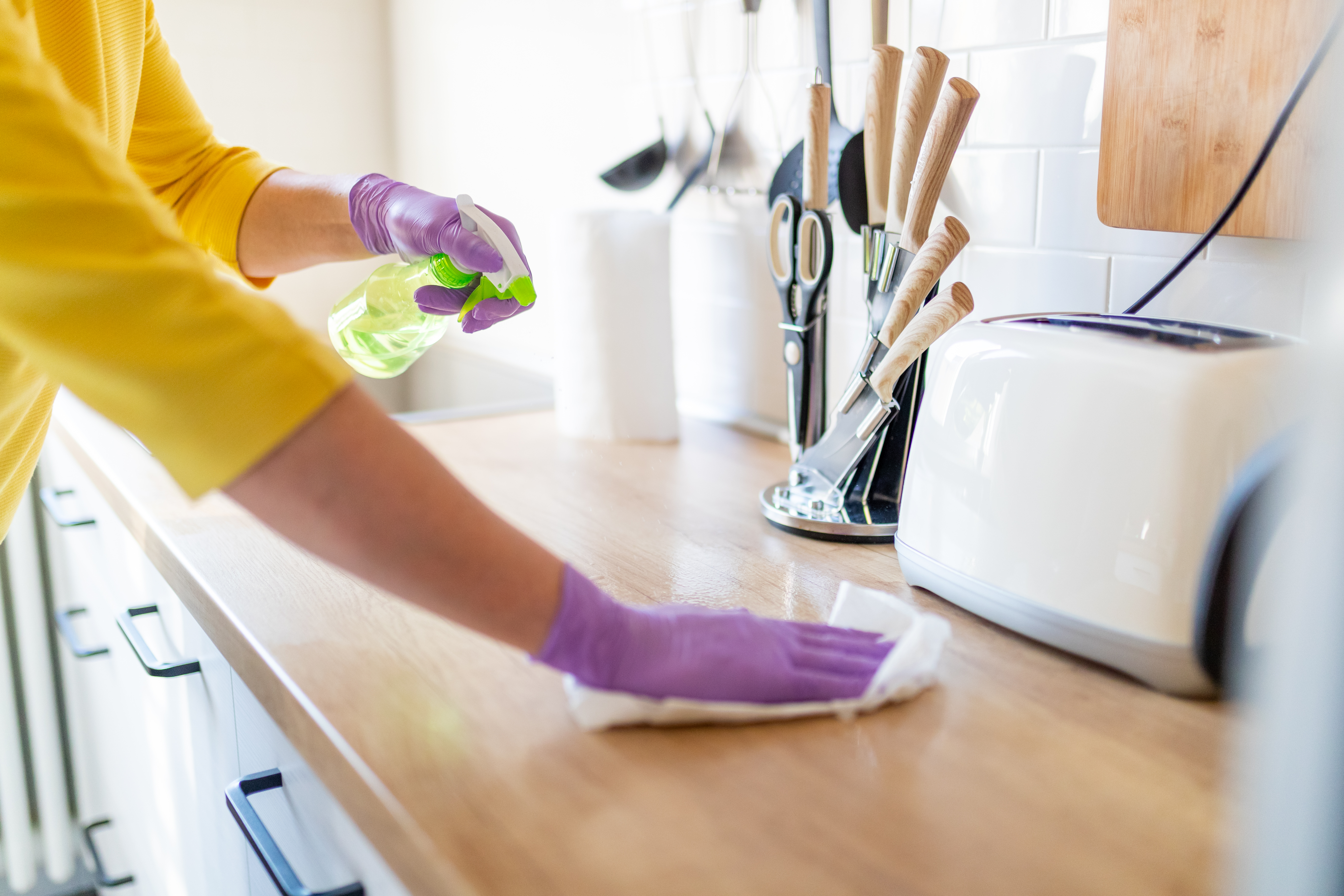
You may be saying “The kitchen? I clean that every day!” And this is true of most households; after all, it’s where everyone gathers the most and where they eat, so kitchen cleanliness is paramount.

However, there are items in a kitchen that may not be given a second thought. Take the dishwasher, for example. It uses powerful soap and hot water to clean dishes, pots, and pans, so it’s naturally clean, right?

Not so fast. Most dishwashers can build up residue and leftover food over time. To keep your dishwasher spick-and-span, empty any debris from its drain monthly. To clean it, fill a container with a cup of white vinegar, put it in the top rack in an empty machine, and set it to hot; you can follow the same process with baking soda in the bottom of your dishwasher. Similarly, to freshen up your garbage disposal, add a half cup of baking soda and a half cup of vinegar, wait several minutes, and then rinse with hot water.

You likely wipe down tables and countertops regularly as well, but these aren’t your only surfaces. For example, you may be surprised by how dirty your dish strainer tray gets. And, while you’re at it, don’t forget to take a gander at out-of-sight upper surfaces—such as your microwave ceiling and the oven exhaust. Doing so will quickly remind you that, yes, you occasionally need to clean them. In addition, now’s also a great time to empty out your fridge, pantry, and cabinets, and give them a thorough cleaning.

Bedrooms

#

Your bedroom is where you seek rest and relaxation every night. Keep your oasis clean by washing your sheets and pillowcases every one to two weeks, your comforters and blankets every three to four months, and your pillows every four months or so. And don’t forget your mattress, which should get a good vacuuming twice a year.

Underneath your bedroom’s heavy furniture is another story—and an entirely different ecosystem. First, this seems to be where we tend to accumulate things, either intentionally (such as hand weights or kids’ artwork) or unintentionally (that missing sock or dozens of hair ties). So clear out the junk first. Then, once a month, remove as much debris as you can with a vacuum extension. Better yet, move the bed and dressers to achieve a more thorough cleaning. Lastly, make sure to dust behind the bed and dressers; places that have tight proximities to walls can trap a lot of dust and dirt.

Bathrooms

#

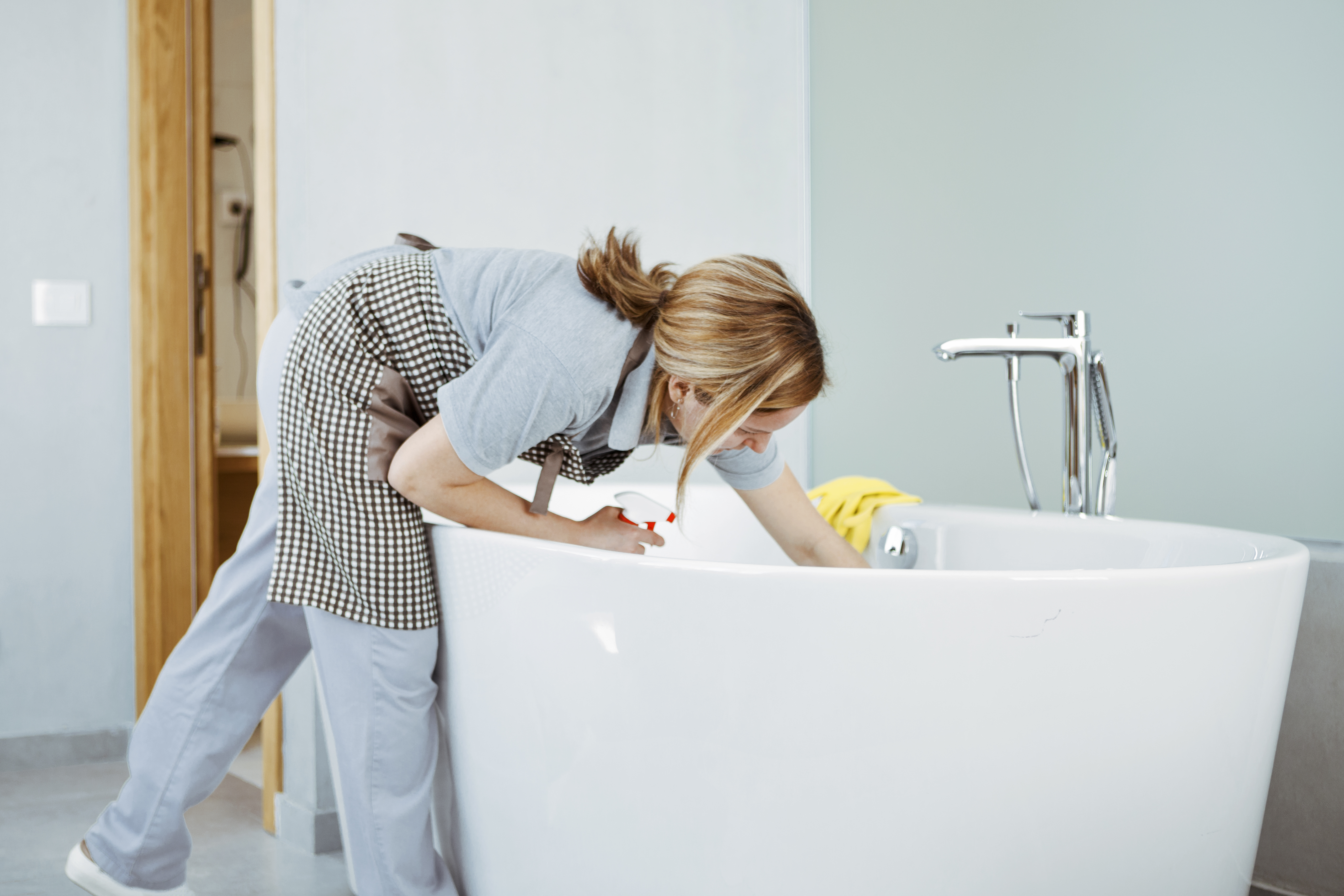
In American homes, the raging debate of bathroom etiquette is usually about whether the toilet paper roll goes over or under. Forget the toilet paper: a more important question is whether you close the lid before flushing the toilet. The accompanying spray, also known as toilet plume, can travel up to three feet—meaning that every flush is potentially contaminating your bathroom, the air, and other people. So put a lid on it! Also, make sure to clean the toilet inside and out at least once a week.

You can easily tell when the shower needs a scrubbing, but beyond the shower itself, pay particular attention to the shower curtain, its liner, and the bath mat. Shower curtains and especially liners tend to get quite dirty. They can be thrown in the washer gently, with a towel or two, every month; just don’t use the dryer. Perhaps just as bad is the bath mat, which gets soaked with water every day and thus should be washed once a week and replaced every six months.

Ventilation Units

#

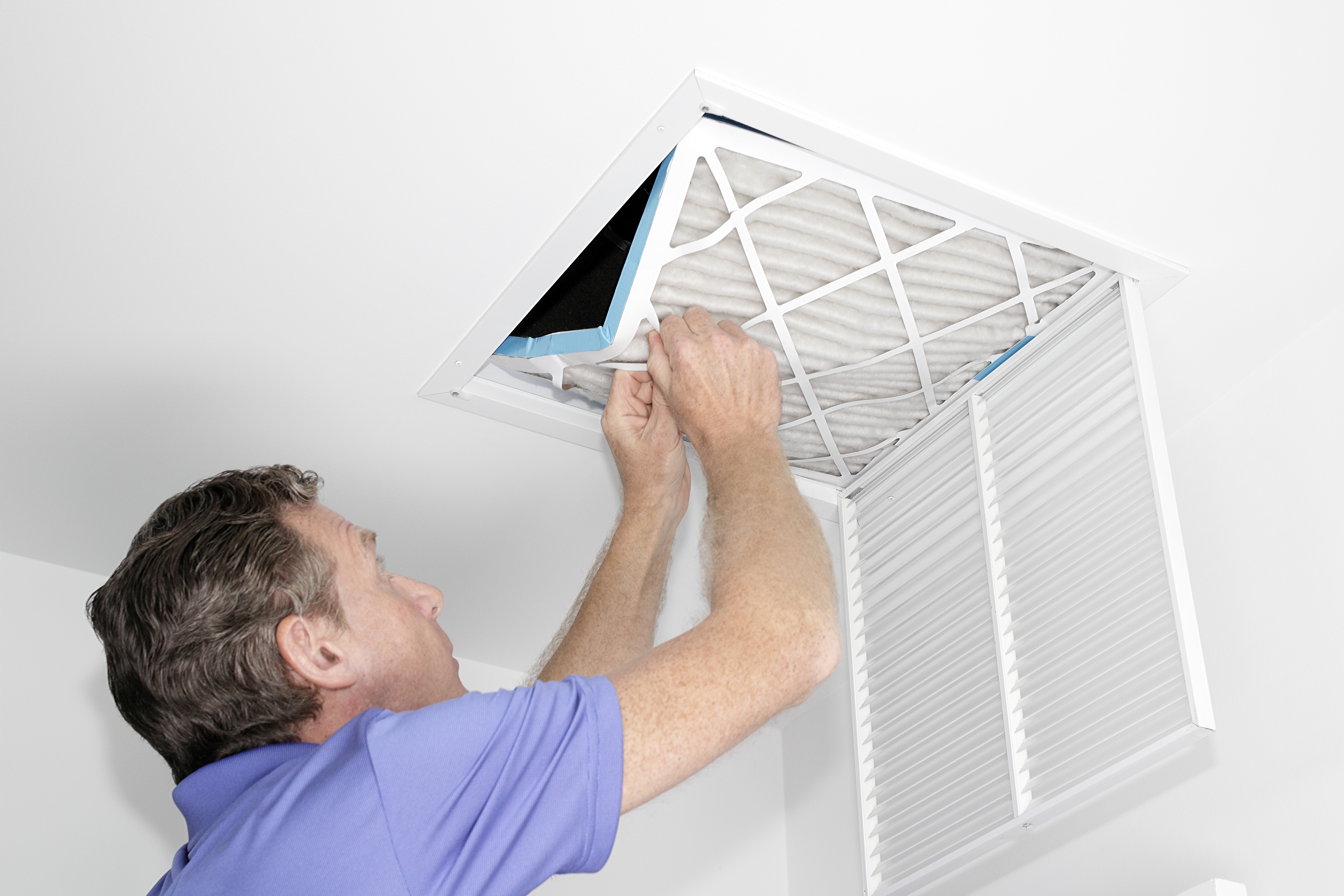
Your HVAC unit is the heart of your home’s air quality. As such, it should be properly maintained by having a professional do a tune-up every six months, and spring is an ideal time after a winter’s worth of wear and tear on your unit. You should also change or clean the filter—the system’s barrier defense against dust, dander, and mold particles—every month, and the one you choose should fit your situation (such as if you have allergies or pets).

After considering the unit itself, you need to take care of the vents in each room. Cleaning vent covers is relatively simple: you unscrew them from the wall, wash them front and back with warm, soapy water, and dry before replacing. Before you put them back, though, you might want to vacuum the openings, which tend to accumulate dust, especially after winter.

Finally, another type of vent needs your attention: your dryer’s. You probably clean the trap regularly, but the hose and ductwork that take the hot air out of your home should be closely inspected as well, especially after winter—the buildup of lint is a common fire hazard when combined with the dryer’s heat. To unclog the vent, you can purchase a handheld cleaning unit that extends upward of thirty to forty feet, or you can have a pro take care of it for a relatively inexpensive price.

Every Room

#

Dusting, mopping, and vacuuming are the go-to chores throughout a home, but oftentimes they are actually not done everywhere, so you end up leaving areas that keep accumulating dust and dirt. Places to target (from top to bottom) for dusting include the ceilings and ceiling fans, corners, and the top of molding and frames.

Don’t forget commonly used items, either. For example, virtually every room has a light switch and some sort of knobs or handles. These conveniences get touched all the time, so they should be targeted for frequent cleanings. Do you watch TV? Then make sure you sanitize that germ-infested remote.

And speaking of expensive electronics, a surefire way to shorten the life of your television, computer, refrigerator, etc., is to ignore the fact that, even though they’re largely front-facing, they actually do have backs. (Again: out of sight, out of mind.) These areas are great at attracting dust rather quickly, which can damage their vital interior components. Monitor such devices, and use compressed-air cans to clear out the debris, making sure to read the instructions first.

As you can see, there may be many more places of your home to focus on before you deem it totally cleaned. It doesn’t take much time or effort, and it will make all the difference in the world to your health and happiness.


Posted in Home Maintenance
March 15, 2021

How to Make a Winning Offer on a Home

How to Make a Winning Offer on a Home | MyKCM

Today’s homebuyers are faced with a strong sellers’ market, which means there are a lot of active buyers competing for a relatively low number of available homes. As a result, it’s essential to understand how to make a confident and competitive offer on your dream home. Here are five tips for success in this critical stage of the homebuying process.

1. Listen to Your Real Estate Advisor

An article from Freddie Mac gives direction on making an offer on a home. From the start, it emphasizes how trusted professionals can help you stay focused on the most important things, especially at times when this process can get emotional for buyers:

“Remember to let your homebuying team guide you on your journey, not your emotions. Their support and expertise will keep you from compromising on your must-haves and future financial stability.”

A real estate professional should be the expert guide you lean on for advice when you’re ready to make an offer.

2. Understand Your Finances

Having a complete understanding of your budget and how much house you can afford is essential. The best way to know this is to get pre-approved for a loan early in the homebuying process. Only 44% of today’s prospective homebuyers are planning to apply for pre-approval, so be sure to take this step so you stand out from the crowd. Doing so make it clear to sellers you’re a serious and qualified buyer, and it can give you a competitive edge in a bidding war.

3. Be Prepared to Move Quickly

According to the latest Realtors Confidence Index from the National Association of Realtors (NAR), the average property sold today receives 3.7 offers and is on the market for just 21 days. These are both results of today’s competitive market, showing how important it is to stay agile and alert in your search. As soon as you find the right home for your needs, be prepared to submit an offer as quickly as possible.

4. Make a Fair Offer

It’s only natural to want the best deal you can get on a home. However, Freddie Mac also warns that submitting an offer that’s too low can lead sellers to doubt how serious you are as a buyer. Don’t make an offer that will be tossed out as soon as it’s received. The expertise your agent brings to this part of the process will help you stay competitive:

“Your agent will work with you to make an informed offer based on the market value of the home, the condition of the home and recent home sale prices in the area.”

5. Stay Flexible in Negotiations

After submitting an offer, the seller may accept it, reject it, or counter it with their own changes. In a competitive market, it’s important to stay nimble throughout the negotiation process. You can strengthen your position with an offer that includes flexible move-in dates, a higher price, or minimal contingencies (conditions you set that the seller must meet for the purchase to be finalized). Freddie Mac explains that there are, however, certain contingencies you don’t want to forego:

Resist the temptation to waive the inspection contingency, especially in a hot market or if the home is being sold ‘as-is’, which means the seller won’t pay for repairs. Without an inspection contingency, you could be stuck with a contract on a house you can’t afford to fix.”

Bottom Line

Today’s competitive market makes it more important than ever to make a strong offer on a home. Let’s connect to make sure you rise to the top along the way.

Posted in Buying Tips